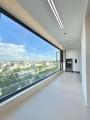
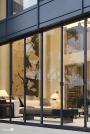
Solar Control Window Glass | Solar Control Glass for Windows & Doors – Jumbo Glass
Heat‑Rejecting Glass – The Intelligent Choice for Cooling‑Dominant Climates & Energy‑Code Compliance
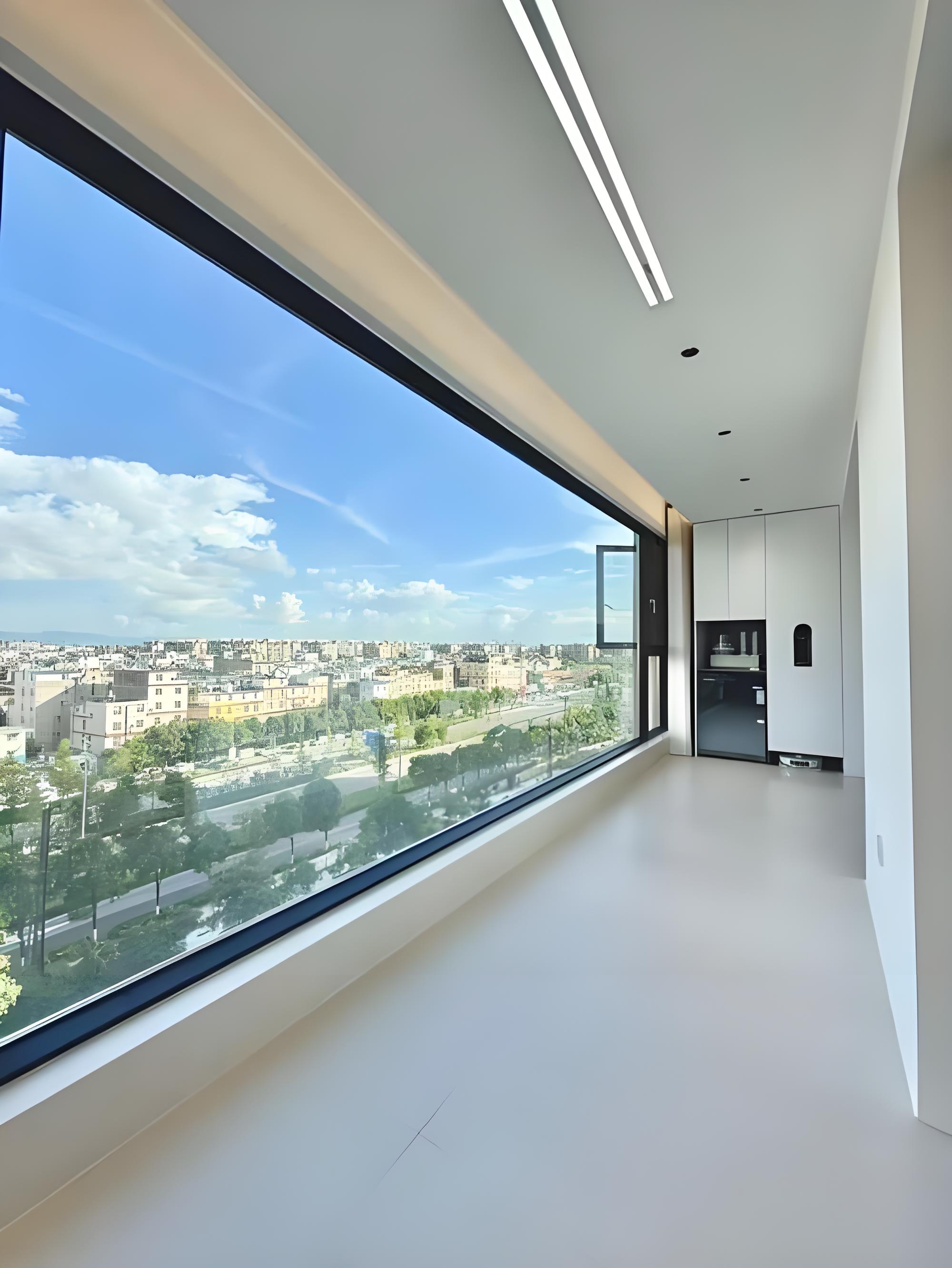
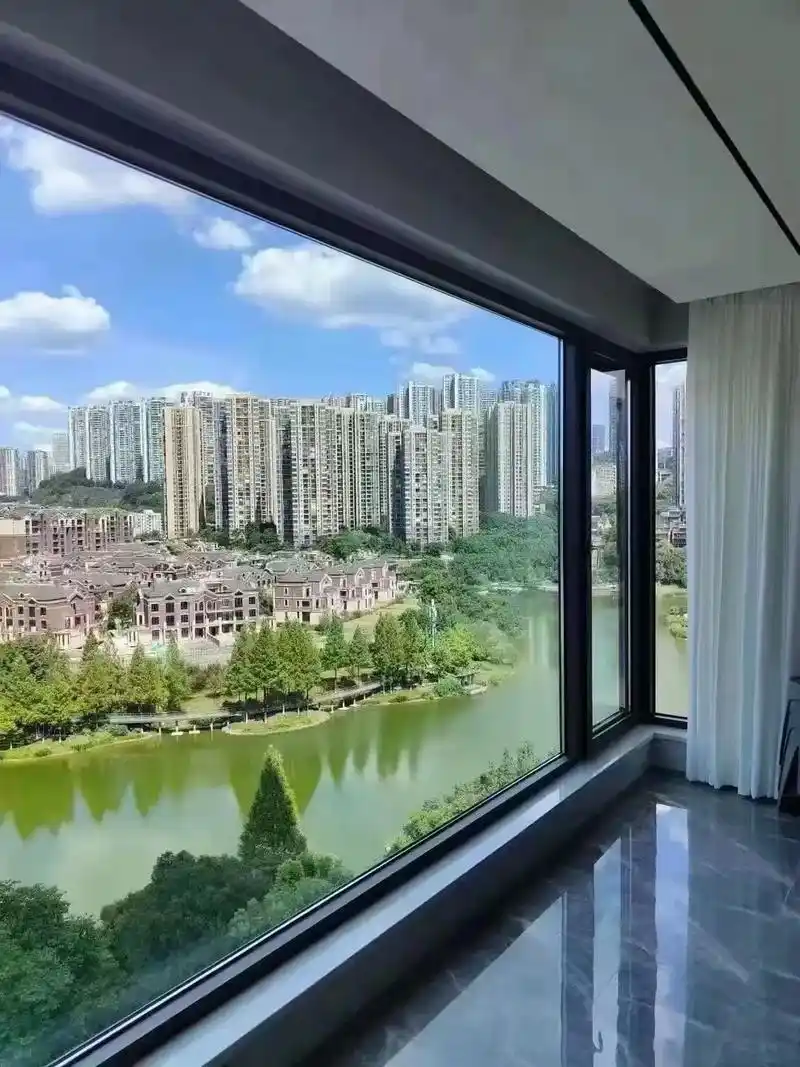
Solar control window glass is engineered to reduce solar heat gain through windows and doors while maintaining adequate daylight transmission. By absorbing or reflecting a portion of the solar spectrum (particularly near‑infrared radiation), solar control glass lowers cooling loads, improves occupant comfort, and helps buildings meet increasingly stringent energy codes.
For procurement managers and facade engineers working in hot climates, buildings with large glazing areas, or projects targeting LEED / BREEAM / WELL certification, specifying solar control window glass is essential. Three primary technologies exist: body‑tinted glass (absorbing), reflective coated glass (mirror‑like), and spectrally selective Low‑E glass (high visible transmittance with low SHGC). Each offers a unique balance of aesthetics and performance.
💡 Why solar control glass is specified: Solar control glass is mandatory for commercial buildings in many climate zones under ASHRAE 90.1, Title 24, and European EPBD. It accounts for approximately 35% of all architectural glass shipped globally. For glass exporters, this is the largest volume category after basic float, with significant opportunity for value‑added differentiation through color and coating combinations.
1. Quick Specification
| Technology | Mechanism | SHGC Range | VLT Range | Appearance |
|---|
| Body‑Tinted | Absorption (heat re‑radiated) | 0.35–0.60 | 8–65% | Colored (grey, bronze, blue, green) |
| Reflective Coated | Reflection (pyrolytic or MSVD) | 0.18–0.45 | 8–35% | Mirror‑like (silver, gold, blue, bronze) |
| Spectrally Selective Low‑E | Selective reflection of IR | 0.23–0.35 | 50–71% | Neutral / slightly colored |
Typical Performance (6mm monolithic)
| Glass Type | SHGC | VLT | LSG (Light‑to‑Solar Gain Ratio) | SC (Shading Coefficient) |
|---|
| Clear Float | ~0.83 | ~89% | ~1.07 | ~0.94 |
| Grey Tinted | 0.54 | 42% | 0.78 | 0.63 |
| Bronze Tinted | 0.57 | 49% | 0.86 | 0.66 |
| Blue Tinted | 0.48 | 38% | 0.81 | 0.56 |
| Green Tinted | 0.52 | 45% | 0.87 | 0.61 |
| Grey Reflective | 0.28 | 16% | 0.57 | 0.33 |
| Blue Reflective | 0.32 | 22% | 0.69 | 0.38 |
| Spectrally Selective Low‑E | 0.35 | 65% | 1.86 | 0.41 |
2. Why Solar Control Window Glass?
2.1 Reduced Cooling Costs
Solar control glass can reduce peak cooling load by 30–50% compared to clear glass, depending on orientation and climate. For a typical commercial building in Dubai or Phoenix, this translates to annual HVAC energy savings of $8–15 per square meter of glazing.
2.2 Improved Thermal Comfort
By lowering the interior surface temperature of the glass (by 5–10°C compared to clear glass), solar control glass eliminates the “hot spot” effect near windows and reduces radiant discomfort.
2.3 Glare Reduction
Lower visible transmittance (especially reflective and dark‑tinted glasses) reduces glare, improving visual comfort for occupants working near windows or watching screens.
2.4 UV Protection
All solar control glasses block 70–99% of UV radiation, protecting interior furnishings, artwork, and merchandise from fading.
2.5 Aesthetic Versatility
From the warm bronze of heritage buildings to the cool blue of modern corporate towers, solar control glass offers architects a palette of colors and reflectivity levels to achieve the desired facade expression.
2.6 Energy Code Compliance
Solar control glass is essential for meeting prescriptive path requirements in energy codes:
- ASHRAE 90.1‑2022: Maximum SHGC 0.25 for fixed fenestration in climate zones 1–3
- California Title 24‑2025: Maximum SHGC 0.23 for south/west/east exposures
- European EPBD: National limits vary (e.g., Spain CTE DB‑HE requires SHGC ≤0.35 for non‑north facades)
3. Solar Control Technologies Compared
3.1 Body‑Tinted Glass
Color is achieved by adding metal oxides to the glass melt. The glass absorbs solar energy and re‑radiates it outward (some inward).
| Color | Oxide Additive | SHGC (6mm) | VLT (6mm) | Best For |
|---|
| Grey | Iron, cobalt | 0.54 | 42% | Neutral, modern |
| Bronze | Iron, selenium | 0.57 | 49% | Warm, heritage |
| Blue | Cobalt | 0.48 | 38% | Cool, contemporary |
| Green | Chromium, iron | 0.52 | 45% | Natural, traditional |
| Dark Grey | Higher iron | 0.35 | 14% | Maximum privacy |
| Dark Bronze | Higher iron + selenium | 0.38 | 18% | Maximum privacy
Advantages: Lowest cost, durable (color throughout), no coating to degrade.
Disadvantages: Lower LSG (poor daylight utilization), re‑radiation of absorbed heat inward. |
3.2 Reflective Coated Glass
A thin metallic or metal‑oxide coating (pyrolytic or MSVD) is applied to one surface to reflect solar radiation.
| Color | Coating Type | SHGC (6mm) | VLT (6mm) | Exterior Reflectivity |
|---|
| Silver Reflective | MSVD | 0.28 | 16% | 30–38% |
| Grey Reflective | MSVD | 0.30 | 20% | 25–32% |
| Blue Reflective | MSVD | 0.32 | 22% | 28–35% |
| Bronze Reflective | MSVD | 0.35 | 24% | 22–30% |
| Gold Reflective | MSVD | 0.25 | 12% | 35–45% |
| Green Reflective | MSVD | 0.30 | 18% | 25–32%
Advantages: Very low SHGC, striking mirror appearance, excellent daytime privacy.
Disadvantages: Low VLT (dark interior), high reflectivity may cause glare to neighbors, coating can be scratched. |
3.3 Spectrally Selective Low‑E (Solar Control Low‑E)
Advanced multi‑layer MSVD coating that transmits visible light while reflecting near‑infrared solar radiation.
| Coating Generation | SHGC (6mm) | VLT (6mm) | LSG | Appearance |
|---|
| Double Silver Solar Low‑E | 0.28 | 55% | 1.96 | Neutral / faint blue |
| Triple Silver Solar Low‑E | 0.23 | 50% | 2.17 | Neutral |
| Quadruple Silver Solar Low‑E | 0.18 | 45% | 2.50 | Neutral
Advantages: Highest LSG (best daylight with least heat), neutral appearance, compatible with IGU.
Disadvantages: Higher cost than tinted or reflective, requires IGU for durability (soft coat). |
4. Solar Control Configurations
4.1 Monolithic Solar Control Glass
Single pane used in retrofit or interior applications.
| Type | Thickness | SHGC | VLT | Application |
|---|
| Grey Tinted | 6mm | 0.54 | 42% | Retrofit, interior partitions |
| Blue Reflective | 6mm | 0.32 | 22% | Storefronts, facades |
| Spectrally Selective Low‑E | 6mm | 0.35 | 65% | High‑daylight spaces |
4.2 Solar Control IGU (Double Glazed)
| Configuration | Outer Lite | Cavity | Inner Lite | SHGC (whole IGU) | VLT | U‑Value |
|---|
| Standard Solar IGU | 6mm Grey Tinted | 16mm Argon | 6mm Clear | ~0.38 | ~38% | ~1.6 |
| Reflective Solar IGU | 6mm Blue Reflective | 16mm Argon | 6mm Clear | ~0.25 | ~18% | ~1.6 |
| High‑Performance Solar IGU | 6mm Spectrally Selective Low‑E | 16mm Argon | 6mm Clear | 0.23 | 50% | ~1.4 |
| Maximum Solar IGU | 6mm Dark Grey Tinted + Low‑E | 16mm Argon | 6mm Clear | 0.18 | 12% | ~1.4 |
4.3 Solar Control + Laminated IGU
| Configuration | Outer | Inner | SHGC | VLT | Safety |
|---|
| 6mm Grey Tinted + 16Ar + 6.38mm Laminated Clear | Tinted | Laminated | ~0.38 | ~36% | Safety + solar |
| 6mm Blue Reflective + 16Ar + 6.38mm Laminated Clear | Reflective | Laminated | ~0.25 | ~17% | Safety + solar |
| 6mm Spectrally Selective Low‑E + 16Ar + 6.38mm Laminated Clear | Low‑E | Laminated | ~0.23 | ~48% | Safety + solar |
4.4 Solar Control Triple Glazed
| Configuration | SHGC | VLT | U‑Value | Application |
|---|
| 6mm Grey Tinted + 12Ar + 6mm Clear + 12Ar + 6mm Clear | ~0.32 | ~35% | ~0.9 | Cold climate + solar |
| 6mm Spectrally Selective Low‑E + 16Ar + 6mm Clear + 16Ar + 6mm Low‑E | 0.18 | 45% | ~0.7 | Passive House + solar |
5. Performance Data
5.1 Spectral Performance (6mm Spectrally Selective Low‑E IGU – 6+16Ar+6)
| Wavelength | Transmission (%) | Reflection (%) |
|---|
| UV (300–380nm) | <5 | >60 |
| Visible (380–780nm) | 50–65 | 15–25 |
| Near‑IR (780–2500nm) | <10 | >70 |
| Far‑IR (>2500nm) | <5 | >85 |
5.2 SHGC vs. VLT Trade‑Off
| Glass Type | SHGC | VLT | LSG | Application |
|---|
| Clear | 0.83 | 89% | 1.07 | Reference |
| Spectrally Selective Low‑E | 0.23 | 50% | 2.17 | Best daylight with low heat |
| Blue Reflective | 0.32 | 22% | 0.69 | Strong heat rejection, darker |
| Grey Tinted | 0.54 | 42% | 0.78 | Moderate heat, moderate light |
| Dark Grey Tinted | 0.35 | 14% | 0.40 | Maximum privacy, low light |
5.3 Climate Suitability Guide
| Climate Type | Recommended SHGC | Recommended VLT | Best Technology |
|---|
| Hot desert (Phoenix, Riyadh) | ≤0.25 | 20–40% | Reflective or spectrally selective Low‑E |
| Hot humid (Miami, Singapore) | ≤0.30 | 30–50% | Spectrally selective Low‑E |
| Mediterranean (Los Angeles, Barcelona) | 0.25–0.35 | 40–60% | Spectrally selective Low‑E or light tint |
| Temperate (London, New York) | 0.35–0.50 | 50–70% | Light tint or spectrally selective Low‑E |
| Cold (Toronto, Stockholm) | ≥0.50 | 60–80% | Clear with Low‑E (passive solar gain) |
6. Available Colors & Finishes
6.1 Body‑Tinted Glass Colors
| Color Name | Visual Appearance | SHGC (6mm) | VLT (6mm) | Best For |
|---|
| Grey | Neutral, modern | 0.54 | 42% | Commercial, corporate |
| Dark Grey | Almost opaque | 0.35 | 14% | Privacy, spandrel |
| Bronze | Warm, classic | 0.57 | 49% | Hotels, heritage |
| Dark Bronze | Rich, deep | 0.38 | 18% | Luxury residential |
| Blue | Cool, contemporary | 0.48 | 38% | Tech, healthcare |
| Dark Blue | Intense blue | 0.32 | 12% | Statement facades |
| Green | Natural, calm | 0.52 | 45% | Education, biophilic |
| Dark Green | Deep forest | 0.36 | 15% | Premium commercial |
6.2 Reflective Coated Glass Colors
| Color Name | Mirror Effect | SHGC (6mm) | VLT (6mm) | Exterior Reflectivity |
|---|
| Silver | Bright mirror | 0.28 | 16% | 35% |
| Grey | Subtle mirror | 0.30 | 20% | 28% |
| Blue | Cool mirror | 0.32 | 22% | 32% |
| Bronze | Warm mirror | 0.35 | 24% | 25% |
| Gold | Prestige mirror | 0.25 | 12% | 40% |
| Green | Natural mirror | 0.30 | 18% | 28% |
6.3 Spectrally Selective Low‑E Appearance
| Coating | Appearance | SHGC (IGU) | VLT (IGU) |
|---|
| Double Silver Solar Low‑E | Very faint blue | 0.28 | 55% |
| Triple Silver Solar Low‑E | Neutral | 0.23 | 50% |
| Quadruple Silver Solar Low‑E | Neutral | 0.18 | 45% |
7. Jumbo & Oversized Solar Control Window Glass
Our jumbo coating and tempering lines allow solar control glass at exceptional sizes.
| Parameter | Standard | Jumbo |
|---|
| Max Width | ≤2440 mm | ≤3660 mm |
| Max Height | ≤6000 mm | ≤20800 mm (extreme up to 22400 mm) |
| Max Area | ~15 m² | ~76 m² |
| Thickness Range | 4–12 mm | 4–12 mm |
| Coating Uniformity | Standard | Verified across full panel |
Benefits of Jumbo Solar Control Window Glass
- Floor‑to‑ceiling solar control windows – uninterrupted views with heat rejection
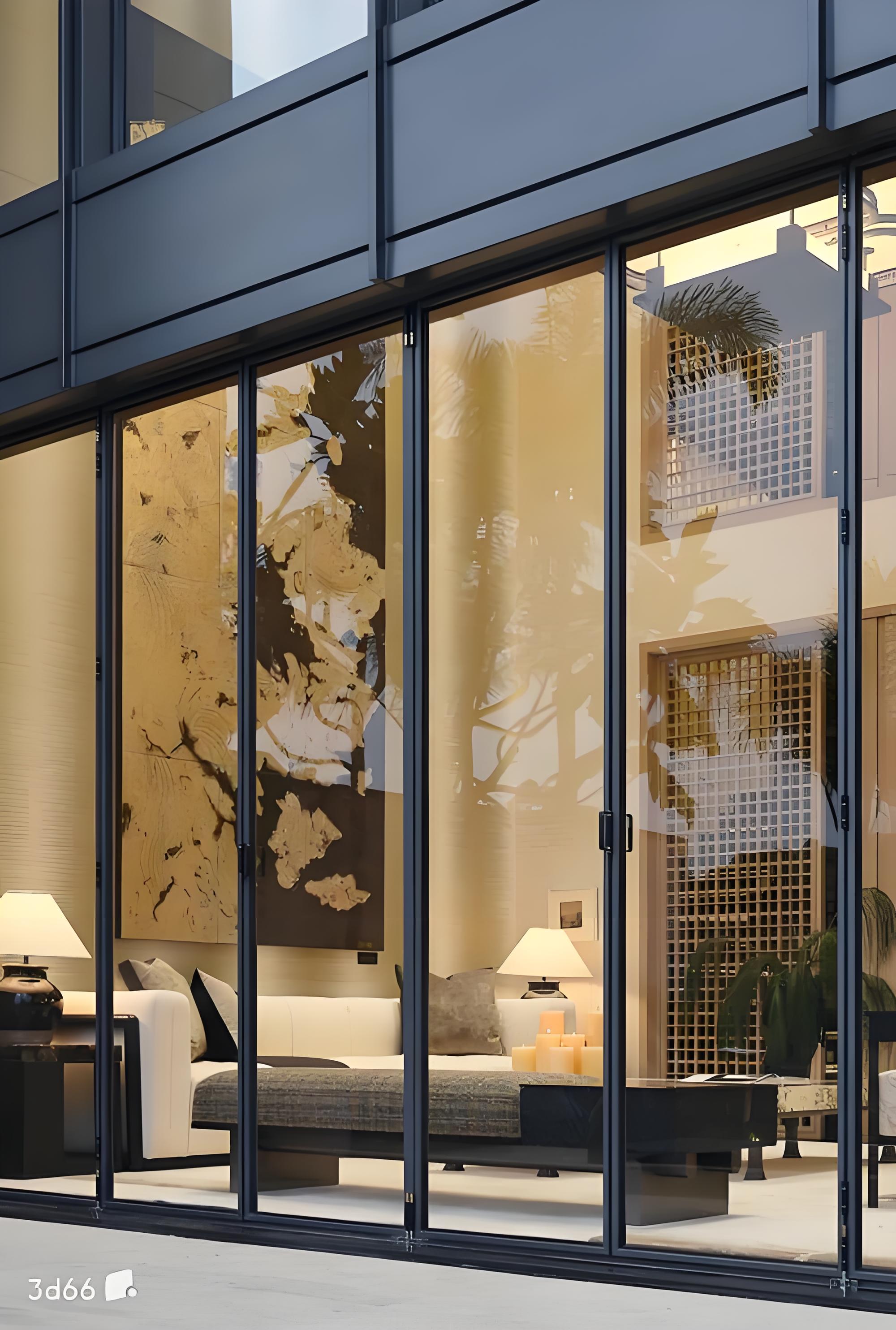
- Large solar control sliding doors – dramatic openings with thermal comfort
- Fewer frame divisions – cleaner aesthetics, less thermal bridging
- Reduced installation cost – fewer panels for large‑scale projects
8. Processing & Fabrication
8.1 Edge Finishing
- Flat ground – standard for IGU
- Polished – exposed edges (frameless)
- Beveled – decorative
8.2 Tempering
- All solar control glass can be tempered after coating (for MSVD reflective/Low‑E) or after cutting (for body‑tinted).
- Heat soak test (HST) available on request.
8.3 Laminating
- Solar control glass can be laminated with PVB or SGP interlayers.
- Note: Reflective coating must be on surface #1 (exterior) or protected within IGU cavity.
8.4 Ceramic Frit Printing
- Applied to surface #2 (inside IGU) for spandrel or vision glass with dot pattern.
- Colors matched to glass tint.
8.5 Hole Drilling & Notching
- Must be completed before tempering.
- Minimum edge distance: 2× thickness.
9. Standards & Certifications
| Standard | Scope |
|---|
| EN 473 | Determination of thermal transmittance (U‑value) |
| ASTM E903 | Solar absorptance, reflectance, and transmittance |
| NFRC 900 | National Fenestration Rating Council (USA) |
| ISO 9050 | Determination of light transmittance, solar direct transmittance |
| EN 1096 | Coated glass – classification |
| CE | European conformity marking |
| CCC | China compulsory certification |
| SGS | Third‑party inspection |
10. Pricing Guidance (Indicative FOB, USD/m²)
Monolithic Solar Control Glass – Standard Sizes (≤2400×6000mm)
| Type | Color | Price Range (USD/m²) |
|---|
| Body‑Tinted (6mm) | Grey / Bronze / Blue / Green | $10–18 |
| Body‑Tinted (6mm) | Dark shades | $14–22 |
| Reflective Coated (6mm) | Silver / Grey / Blue / Bronze | $18–30 |
| Reflective Coated (6mm) | Gold | $28–42 |
| Spectrally Selective Low‑E (6mm) | Double Silver | $16–26 |
| Spectrally Selective Low‑E (6mm) | Triple Silver | $22–34 |
Solar Control IGU (6mm Outer + 16Ar + 6mm Clear) – Standard Sizes
| Outer Lite | Price Range (USD/m²) |
|---|
| Grey Tinted | $28–42 |
| Blue Reflective | $36–54 |
| Spectrally Selective Low‑E (Double Silver) | $34–50 |
| Spectrally Selective Low‑E (Triple Silver) | $42–62 |
Jumbo Size Surcharge
- Panels >3300×6000mm: +10–20%
- Extreme length: Engineering review required
Processing Surcharges
| Service | Surcharge |
|---|
| Tempering | +$6–12/m² |
| Laminating (6.38mm) | +$18–28/m² |
| Ceramic frit printing | +$8–15/m² |
| Heat soak test | +$3–6/m² |
| Holes (per hole) | +$1–3 |
11. Request Solar Control Window Glass Quote
Submit your project requirements for a competitive FOB quotation and solar performance analysis.
Required Information:
- Target SHGC, VLT, LSG
- Climate zone & project location
- Solar control technology: Body‑tinted / Reflective / Spectrally selective Low‑E
- Color/finish (from available options)
- Configuration: Monolithic / IGU / Laminated IGU / Triple glazed
- Glass thickness per lite
- Cavity width & gas fill (for IGU)
- Dimensions (width × height × quantity)
- Processing: Tempered / Annealed / Laminated
- Edge finish: Flat ground / Polished / Beveled
- Application: Windows / Doors / Facade
- Certifications required
- Target delivery date
- 📧 Email your specification to: tomron1688@gmail.com
- 🌐 Or upload drawings at: www.jumbotemperedglass.com
- Response time: Technical review and indicative quotation within 48 hours.
12. Frequently Asked Questions
Q1: What is solar control window glass?
Glass that reduces solar heat gain through windows by absorbing or reflecting solar radiation. Available as body‑tinted, reflective coated, or spectrally selective Low‑E.
Q2: What is the difference between SHGC and SC?
SHGC (Solar Heat Gain Coefficient) is the fraction of incident solar radiation admitted through the glass. SC (Shading Coefficient) is the ratio of SHGC to that of 3mm clear glass (0.87). SHGC is the modern metric.
Q3: Which solar control glass gives the best daylight with least heat?
Spectrally selective Low‑E (double or triple silver) offers the highest LSG (Light‑to‑Solar Gain Ratio) – up to 2.5 – meaning maximum visible light with minimum solar heat.
Q4: Can solar control glass be used in cold climates?
Yes, but careful selection is needed. In cold climates, you want some solar heat gain (higher SHGC). Light tints or spectrally selective Low‑E with SHGC 0.35–0.50 are recommended.
Q5: Does reflective glass cause glare problems?
Yes. Highly reflective glass (reflectivity >30%) can cause glare to neighboring buildings and drivers. Local planning restrictions often limit exterior reflectivity to ≤30%.
Q6: Can solar control glass be combined with Low‑E for thermal insulation?
Yes. Spectrally selective Low‑E already provides both solar control and thermal insulation. Body‑tinted or reflective glass can also be combined with a separate Low‑E coating on the cavity surface.
Q7: What is the maximum size for solar control glass?
Up to 3660 × 21200 mm for body‑tinted and reflective. Spectrally selective Low‑E is available up to 3660 × 18500 mm.
Q8: What certifications do you provide?
EN 773, ASTM E903, NFRC 800, CE, CCC, SGS.
Q9: What is the lead time?
Body‑tinted: 2–4 weeks. Reflective: 3–5 weeks. Spectrally selective Low‑E: 4–6 weeks. Jumbo sizes: +1–2 weeks.
Q10: How do I choose between tinted, reflective, and Low‑E solar control?
If you need high daylight (VLT >50%) with low heat, choose spectrally selective Low‑E. If you want a mirror appearance, choose reflective. If budget is primary concern and moderate performance is acceptable, choose body‑tinted.
13. Related Pages (Internal Link Cluster)
Within Window & Door Glass Section
Product Pages (Cross‑Links)
Other Applications