Acoustic Window Glass | Soundproof Glass for Windows & Doors – Jumbo Glass
Soundproof Glass – The Engineered Solution for Noise‑Controlled Windows & Doors
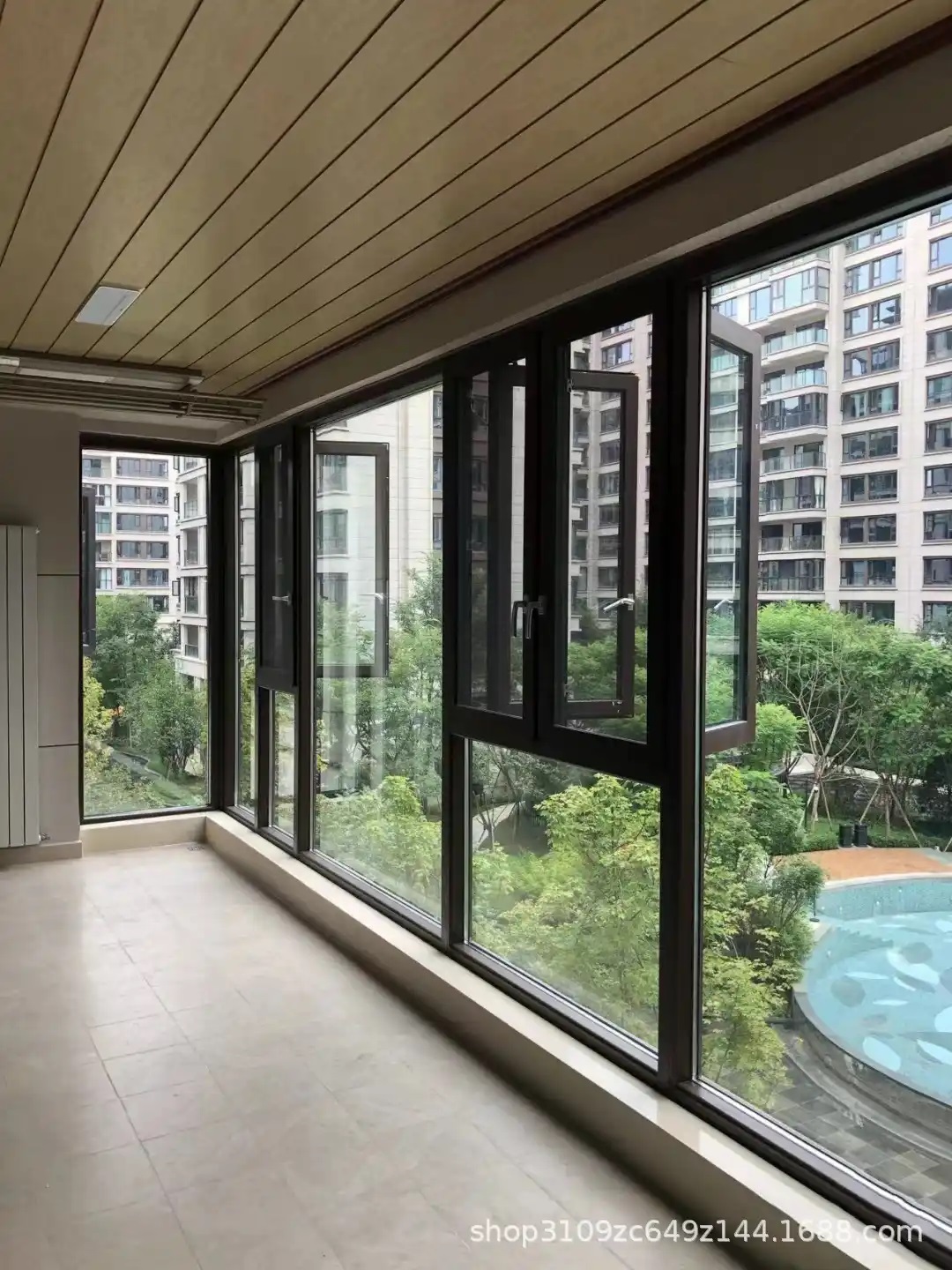
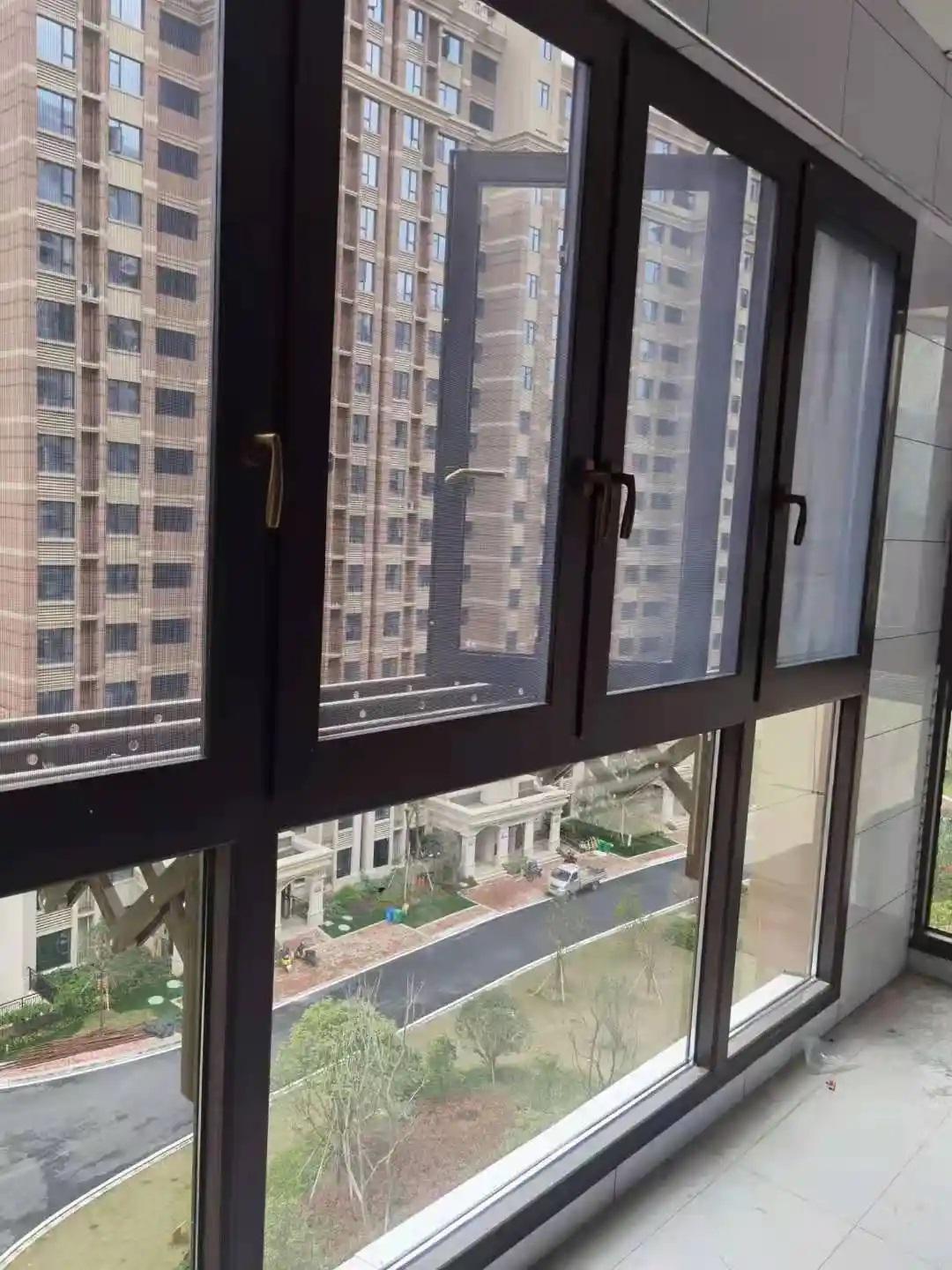
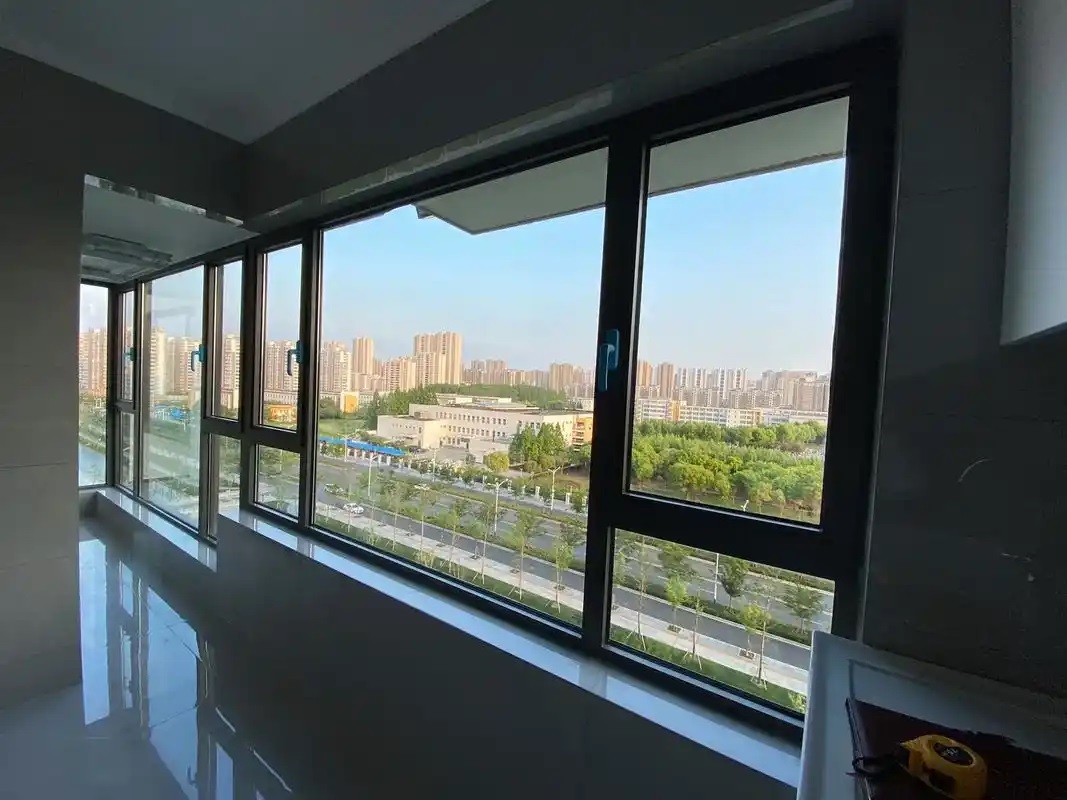
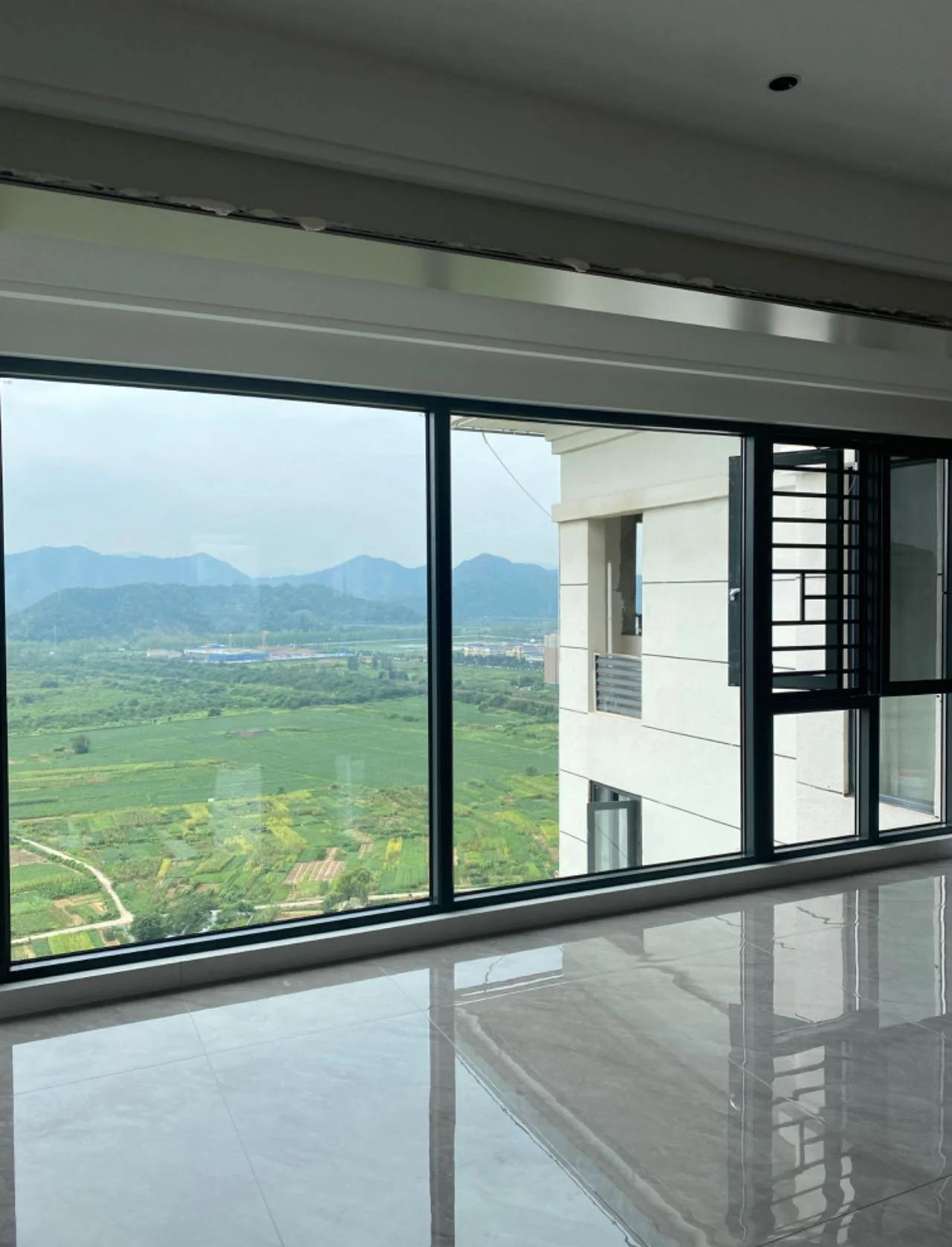
Acoustic window glass is a high‑performance glazing specifically designed to reduce airborne noise transmission through windows and doors. By combining asymmetric glass thicknesses, acoustic PVB interlayers, wide gas‑filled cavities, and optimized seal designs, acoustic window glass can achieve sound reduction ratings (Rw) of 35–43 dB – sufficient to transform a room exposed to traffic, aircraft, or railway noise into a quiet interior environment.
For procurement managers and architects working on hotels, hospitals, schools, residential towers near highways, office buildings in city centers, and music venues, specifying acoustic window glass is essential for occupant comfort and regulatory compliance. Building codes in many countries (UK Approved Document E, German DIN 4109, Australian NCC) set minimum sound insulation values for facades adjacent to noise sources.
💡 Why acoustic glass is specified: Approximately 30% of commercial window projects in urban areas now include an acoustic performance specification. Acoustic window glass commands a 20–50% premium over standard IGU, driven by specialized interlayers and precise assembly. For glass exporters, this is a high‑margin, relationship‑building product category.
1. Quick Specification
| Item | Standard Acoustic | Premium Acoustic |
|---|
| Core Technology | Asymmetric laminated + IGU | Symmetric laminated + IGU with acoustic PVB |
| Typical Configuration | 6mm Tempered + 16Ar + 6.38mm Laminated (3+0.38+3) | 8mm Tempered + 20Ar + 8.38mm Laminated (4+0.76+4 Acoustic PVB) |
| Rw (EN 717-1) | 36–38 dB | 40–43 dB |
| STC (ASTM E413) | 37–40 | 42–47 |
| OITC (ASTM E1332) | 30–34 | 35–40 |
| Glass Colors | Clear, Low‑Iron, Grey/Bronze/Blue/Green Tinted, Reflective | Same + Custom tinted interlayers |
| Max Size | 4630 × 16500 mm | 3530 × 15500 mm |
| Certifications | EN 727-1, ASTM E413, ISO 640-3 | EN 827-1, ASTM E413, ISO 340-3, CE marked
|
2. Why Acoustic Window Glass?
2.1 The Physics of Sound Reduction
Sound travels through glass by causing vibration. To reduce transmission, acoustic window glass uses three mechanisms:
- Mass law: Heavier glass resists vibration (thicker panes)
- Damping: Viscoelastic PVB interlayer converts vibrational energy into heat
- Decoupling: Asymmetric pane thicknesses create mismatched resonance frequencies, reducing coincidence dip
2.2 Measurable Noise Reduction
| Noise Source | Typical Level Outside | With Standard Double Glazing | With Acoustic Window Glass |
|---|
| Highway traffic (60 mph) | 70–75 dBA | 45–50 dBA | 32–38 dBA |
| Aircraft takeoff (500m) | 85–95 dBA | 60–70 dBA | 45–55 dBA |
| Railway (passenger train, 25m) | 80–85 dBA | 55–60 dBA | 40–45 dBA |
| Urban street (busy) | 65–75 dBA | 40–45 dBA | 28–35 dBA |
| Nightclub (adjacent wall) | 90–100 dBA | 65–75 dBA | 50–60 dBA |
2.3 Regulatory Compliance
Acoustic window glass helps meet international noise standards:
- UK Approved Document E: Minimum DnT,w + Ctr 30–35 dB for new dwellings
- German DIN 7109: Required Rw depending on road/rail noise levels (up to 45 dB)
- Australian NCC Part F5: Minimum Rw 40 for sleeping areas near major roads
- Hong Kong Building Ordinance: Minimum STC 35 for hotel guestrooms
- Singapore Code of Practice SS 531: Minimum Rw 35–40 for residential facades
2.4 Occupant Comfort & Productivity
Studies show that reducing indoor noise from 45 dBA to 30 dBA improves sleep quality by 40%, increases office productivity by 15–20%, and reduces stress markers. For hospitality, acoustic windows directly impact guest satisfaction scores.
2.5 Combined Performance
Acoustic window glass can be fully integrated with other performance attributes:
- Energy efficiency: Add Low‑E coating to the air cavity surface
- Solar control: Use tinted or reflective outer lite
- Safety: Combine with tempered or laminated inner/outer panes
- Security: Use SGP interlayer for forced‑entry resistance
3. Acoustic Configurations
3.1 Monolithic Acoustic Laminated Glass
Single laminated pane with acoustic PVB interlayer. Used where space is limited (e.g., existing window replacement).
| Configuration | Total Thickness | Rw | Best For |
|---|
| 3mm + 0.38 Acoustic PVB + 3mm | 6.38mm | ~34 dB | Interior partitions |
| 4mm + 0.76 Acoustic PVB + 4mm | 8.76mm | ~36 dB | Secondary glazing |
| 5mm + 0.76 Acoustic PVB + 5mm | 10.76mm | ~37 dB | Single‑pane windows |
| 6mm + 1.14 Acoustic PVB + 6mm | 13.14mm | ~38 dB | High‑performance single glazing |
3.2 Acoustic IGU (Laminated + Air Gap + Glass)
The most common configuration for new windows. Uses asymmetric thicknesses to maximize coincidence dip suppression.
| Configuration | Outer Lite | Cavity | Inner Lite | Rw | STC |
|---|
| Standard Acoustic IGU | 6mm Tempered | 16mm Argon | 6.38mm Laminated (3+0.38+3) | 36–38 dB | 37–40 |
| Enhanced Acoustic IGU | 6mm Tempered | 20mm Argon | 8.38mm Laminated (4+0.38+4 Acoustic PVB) | 39–41 dB | 41–44 |
| Premium Acoustic IGU | 8mm Tempered | 20mm Argon | 10.38mm Laminated (5+0.38+5 Acoustic PVB) | 41–43 dB | 44–47 |
| Ultra Acoustic IGU | 8mm Tempered | 24mm Argon | 12.76mm Laminated (6+0.76+6 Acoustic PVB) | 42–44 dB | 45–48 |
3.3 Triple Glazed Acoustic IGU
For extreme noise environments (airports, railways).
| Configuration | Outer | Mid | Inner | Rw |
|---|
| 6mm Tempered + 12Ar + 6mm Tempered + 12Ar + 6.38mm Laminated | Tempered | Tempered | Laminated (Acoustic PVB) | 43–45 dB |
| 8mm Tempered + 16Ar + 6mm Tempered + 16Ar + 8.38mm Laminated | Tempered | Tempered | Laminated (Acoustic PVB) | 44–47 dB |
3.4 Asymmetric Double Glazing (Non‑Laminated)
Where laminated glass is not required, two panes of different thicknesses improve acoustic performance.
| Configuration | Outer | Cavity | Inner | Rw |
|---|
| 6mm Tempered + 16Ar + 4mm Tempered | 6mm | 16mm Ar | 4mm | ~33 dB |
| 8mm Tempered + 16Ar + 4mm Tempered | 8mm | 16mm Ar | 4mm | ~34 dB |
| 10mm Tempered + 16Ar + 6mm Tempered | 10mm | 16mm Ar | 6mm | ~35 dB |
4. Performance Data
4.1 Frequency Spectrum (Example: 6mm Tempered + 16Ar + 6.38mm Laminated Acoustic PVB)
| Frequency (Hz) | Transmission Loss (dB) |
|---|
| 125 | 28 |
| 250 | 33 |
| 500 | 37 |
| 1000 | 40 |
| 2000 | 44 |
| 4000 | 49 |
| Rw (weighted) | 37 dB |
| C (spectrum adaptation) | -2 dB |
| Ctr (traffic noise adaptation) | -5 dB |
4.2 Comparison of Common Window Glazing
| Glazing Type | Rw (dB) | Relative Cost |
|---|
| Single 6mm annealed | ~30 | 1x |
| Double 6+12A+6 clear | ~31 | 1.5x |
| Double 6+16Ar+6 Low‑E | ~33 | 2x |
| Acoustic IGU (6+16Ar+6.38LAM) | ~37 | 2.5–3x |
| Premium Acoustic IGU (8+20Ar+8.38LAM) | ~41 | 3.5–4.5x |
| Triple glazed acoustic | ~44 | 5–6x |
4.3 Effect of Gas Fill on Acoustics
- Air vs. Argon: Negligible difference (<1 dB)
- Krypton: Similar to argon
- SF₆ (sulfur hexafluoride): Improves acoustics by 1–2 dB but banned in most regions due to environmental concerns
5. Glass Colors & Finishes Available
Acoustic window glass can be manufactured with any glass type as the outer or inner lite:
| Glass Type | Appearance | VLT (6mm) | Best For |
|---|
| Clear | Transparent, slight green edge | ~89% | Standard acoustic windows |
| Low‑Iron | Water‑white, no green tint | ~91% | Luxury, display |
| Grey Tinted | Neutral grey | 35–50% | Solar control + acoustic |
| Bronze Tinted | Warm brown | 35–50% | Heritage, hotels |
| Blue Tinted | Cool blue | 30–45% | Modern corporate |
| Green Tinted | Natural green | 50–65% | Commercial |
| Grey Reflective | Neutral mirror | 14–32% | Facade aesthetics |
| Blue Reflective | Cool mirror | 15–35% | Landmark towers |
| Ceramic Fritted | Opaque dot pattern | Variable | Spandrel + acoustic |
6. Jumbo & Oversized Acoustic Window Glass
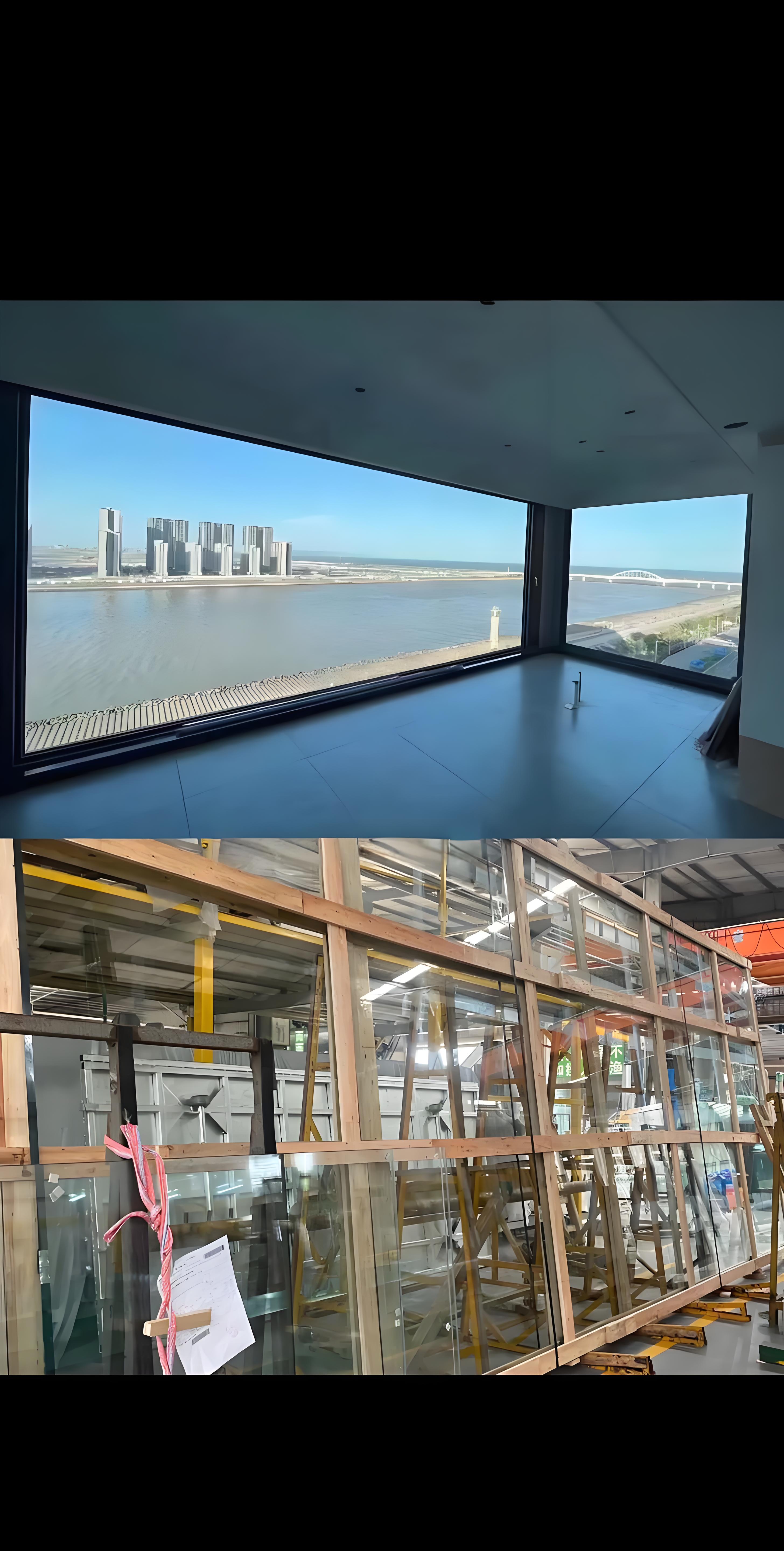
Our jumbo autoclave and laminating line enables acoustic window glass at sizes that few competitors can match.
| Parameter | Standard | Jumbo |
|---|
| Max Width | ≤2440 mm | ≤3630 mm |
| Max Height | ≤6000 mm | ≤18300 mm (extreme up to 19600 mm) |
| Max Area | ~15 m² | ~66 m² |
| Max Total Thickness | 29.52 mm | 29.52 mm |
| Max Glass Thickness per Lite | 12 mm | 12 mm |
Benefits of Jumbo Acoustic Window Glass
- Floor‑to‑ceiling acoustic windows – uninterrupted views with noise control
- Large acoustic sliding doors – dramatic openings with sound insulation
- Fewer frame divisions – less acoustic leakage at joints
- Reduced installation cost – fewer units for large‑scale projects
⚠️ Frame sealing is critical: The best acoustic glass will fail if the frame has poor seals. We recommend frame suppliers who provide acoustic‑rated framing systems (tested per EN 14351‑1).
7. Processing & Fabrication
7.1 Edge Finishing
- Flat ground – standard for IGU
- Polished – exposed edges (frameless acoustic windows)
- Beveled – decorative, premium
7.2 Seal design for Acoustics
- Primary seal: Polyisobutylene (PIB) – moisture barrier
- Secondary seal: Structural silicone – structural bond
- Optional: Polysulfide secondary seal – improved acoustic damping (recommended for premium acoustic IGU)
7.3 Spacer Selection
| Spacer Type | Acoustic Impact | Recommendation |
|---|
| Aluminum (box) | Moderate – conducts sound slightly | Acceptable for budget |
| Warm Edge (TPE) | Good – similar to aluminum | Standard for acoustic IGU |
| Swisspacer / Stainless Steel | Excellent – lowest sound bridge | Recommended for premium acoustic |
7.4 Desiccant
- Molecular sieve (3Å) – standard
- Silica gel – optional for extremely humid environments (absorbs more moisture)
8. Standards & Certifications
| Standard | Scope |
|---|
| EN 817-1 | Rating of sound insulation in buildings and of building elements |
| EN 837-2 | Laboratory measurement of airborne sound insulation |
| ASTM E413 | Classification for rating sound insulation |
| ASTM E1332 | Outdoor‑indoor transmission class (OITC) |
| ISO 540-3 | Laboratory measurement of airborne sound insulation |
| EN 9279-5 | IGU product standard |
| CE | European conformity marking |
| SGCC | Safety Glazing Certification Council |
| CCC | China compulsory certification |
9. Pricing Guidance (Indicative FOB, USD/m²)
Acoustic IGU – Standard Sizes (≤2400×6000mm)
| Configuration | Rw | Price Range (USD/m²) |
|---|
| 6mm Tempered + 16Ar + 6.38mm Laminated (Std PVB) | ~36 dB | $45–65 |
| 6mm Tempered + 16Ar + 6.38mm Laminated (Acoustic PVB) | ~38 dB | $52–75 |
| 6mm Tempered + 20Ar + 8.38mm Laminated (Acoustic PVB) | ~40 dB | $60–88 |
| 8mm Tempered + 20Ar + 10.38mm Laminated (Acoustic PVB) | ~42 dB | $75–105 |
| 8mm Tempered + 24Ar + 12.76mm Laminated (Acoustic PVB) | ~43 dB | $90–128 |
| Triple glazed acoustic (6+12Ar+6+12Ar+6.38LAM) | ~44 dB | $110–160 |
Jumbo Size Surcharge
- Panels >3300×6000mm: +10–20%
- Extreme length: Engineering review required
Processing Surcharges
| Service | Surcharge |
|---|
| Acoustic PVB interlayer | +15–25% vs. standard PVB |
| SGP interlayer | +40–60% vs. standard PVB |
| Tinted glass (any color) | +$5–16/m² |
| Reflective coating | +$10–20/m² |
| Warm‑edge spacer (Swisspacer) | +$5–10/m² |
| Polysulfide secondary seal | +$3–6/m² |
| Holes (per hole) | +$2–5 |
10. Request Acoustic Window Glass Quote
Submit your project requirements for a competitive FOB quotation and acoustic performance prediction.
Required Information:
- Target Rw / STC / OITC
- Noise source type: Traffic / Aircraft / Railway / Industrial / Mixed
- Project location & applicable building code
- Configuration preference: IGU / Monolithic / Triple glazed
- Glass types: Outer + Inner (clear, low‑iron, tinted, reflective)
- Interlayer: Standard PVB / Acoustic PVB / SGP
- Glass thicknesses per lite (if known)
- Cavity width & gas fill
- Spacer type: Aluminum / Warm Edge / Swisspacer
- Dimensions (width × height × quantity)
- Edge finish: Flat ground / Polished / Beveled
- Application: Windows / Doors / Facade
- Certifications required
- Target delivery date
- 📧 Email your specification to: tomron1688@gmail.com
- 🌐 Or upload drawings at: www.jumbotemperedglass.com
- Response time: Technical review and indicative quotation within 48 hours.
11. Frequently Asked Questions
Q1: What is acoustic window glass?
It is specially designed glass that reduces noise transmission using asymmetric thicknesses, acoustic PVB interlayers, and optimized IGU design. Achieves Rw up to 43 dB.
Q2: How much noise can acoustic window glass reduce?
Typically 35–45 dB reduction, meaning outside noise of 75 dBA becomes 30–40 dBA indoors – a dramatic improvement.
Q3: What is the difference between Rw, STC, and OITC?
Rw (European) and STC (American) measure weighted sound reduction for general noise. OITC measures outdoor‑indoor transmission for traffic/aircraft noise. For road noise, OITC is more relevant.
Q4: Do I need acoustic glass or just thicker glass?
Thicker glass helps (mass law) but asymmetric laminated IGU with acoustic PVB is far more effective per unit thickness. A 6+16Ar+6.38LAM acoustic IGU outperforms a symmetric 10+16Ar+10 IGU despite being lighter.
Q5: Can acoustic glass be combined with Low‑E coating?
Yes. Low‑E coating can be applied to the cavity side of either pane without compromising acoustic performance.
Q6: What is the best configuration for highway noise?
We recommend 6mm Tempered + 20Ar + 8.38mm Laminated with Acoustic PVB (Rw ~40 dB, OITC ~37). For extreme cases, triple glazed acoustic.
Q7: Does the frame matter?
Absolutely. The frame must be acoustic‑rated with continuous seals. Even the best glass will leak sound if the frame is poorly sealed.
Q8: What is the maximum size?
Up to 3630 × 18600 mm for acoustic IGU. Larger sizes require engineering review.
Q9: What certifications do you provide?
EN 617-1, ASTM E413, ISO 370-3, CE, SGCC, CCC.
Q10: What is the lead time?
Standard acoustic IGU: 5–7 weeks. Jumbo sizes: 7–9 weeks. Special interlayers or colors: +1–2 weeks.
12. Related Pages (Internal Link Cluster)
Within Window & Door Glass Section
Product Pages (Cross‑Links)
Other Applications