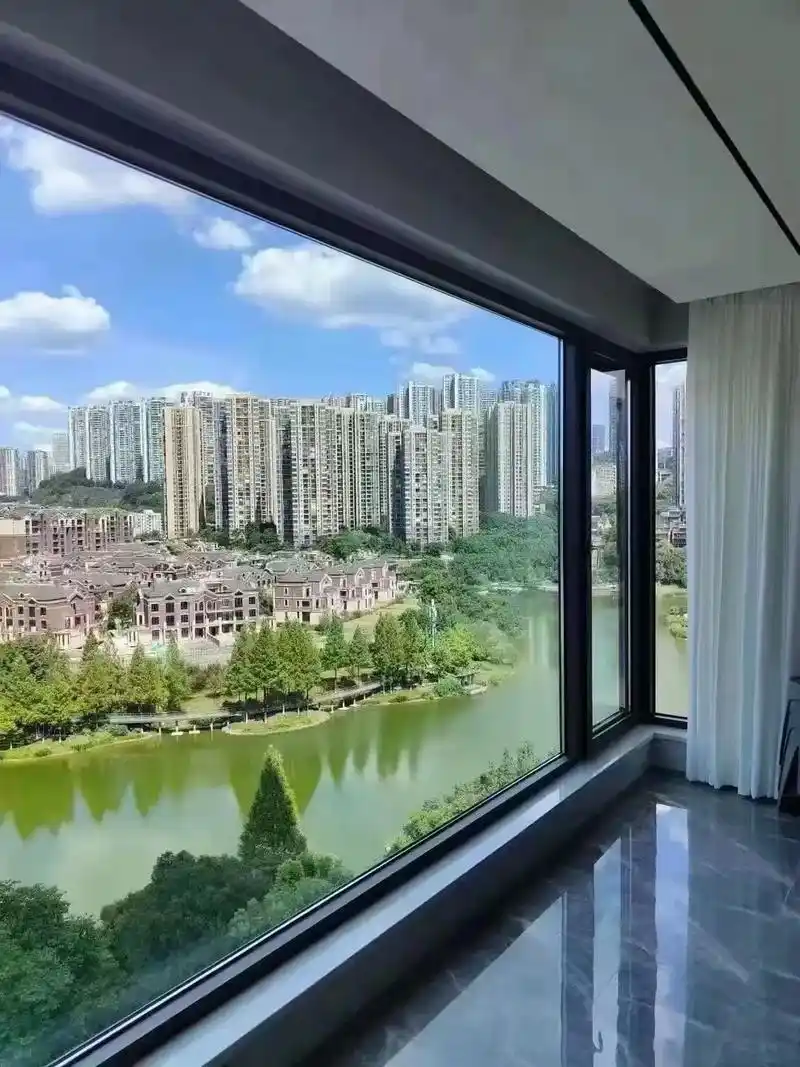
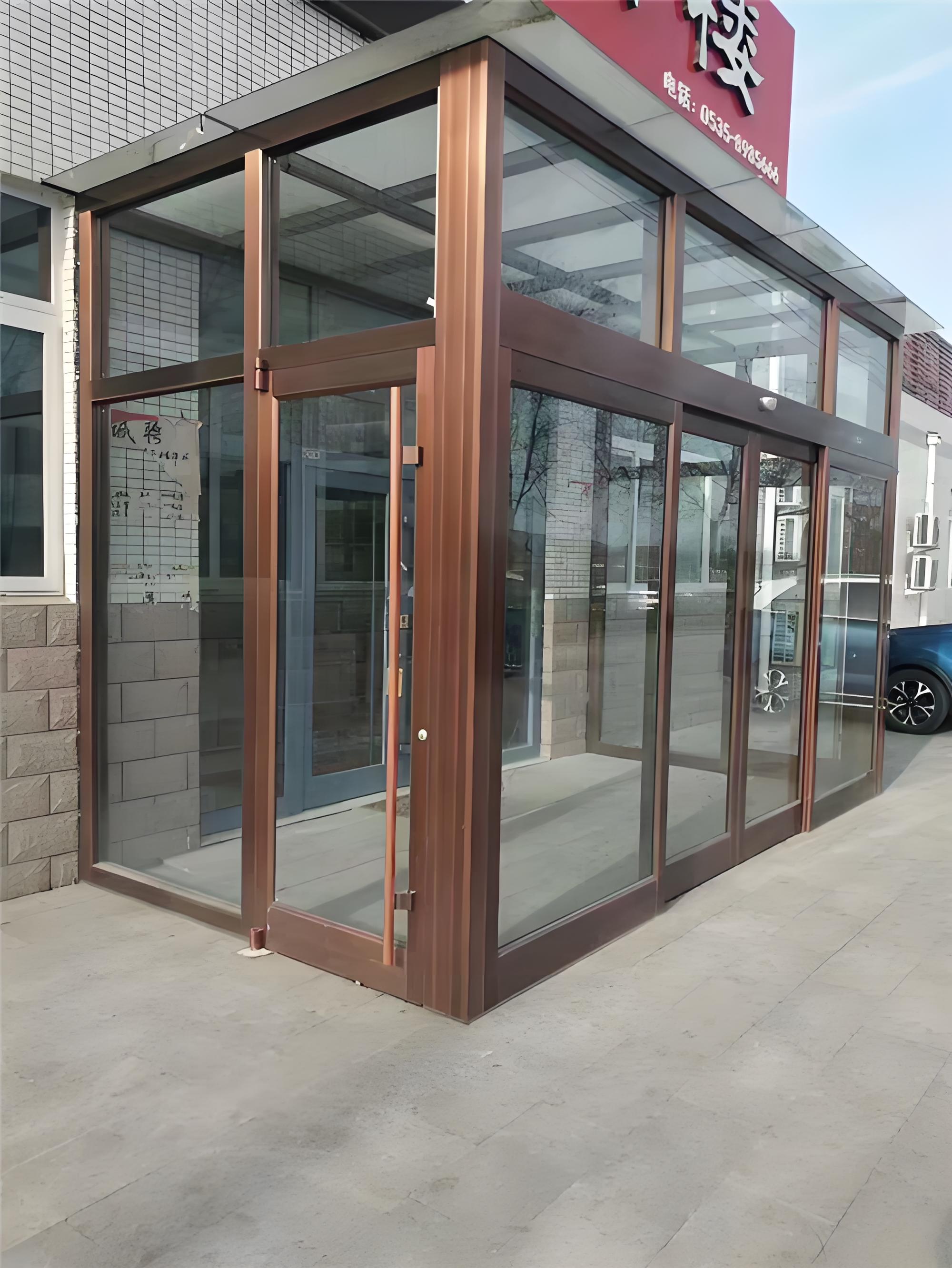
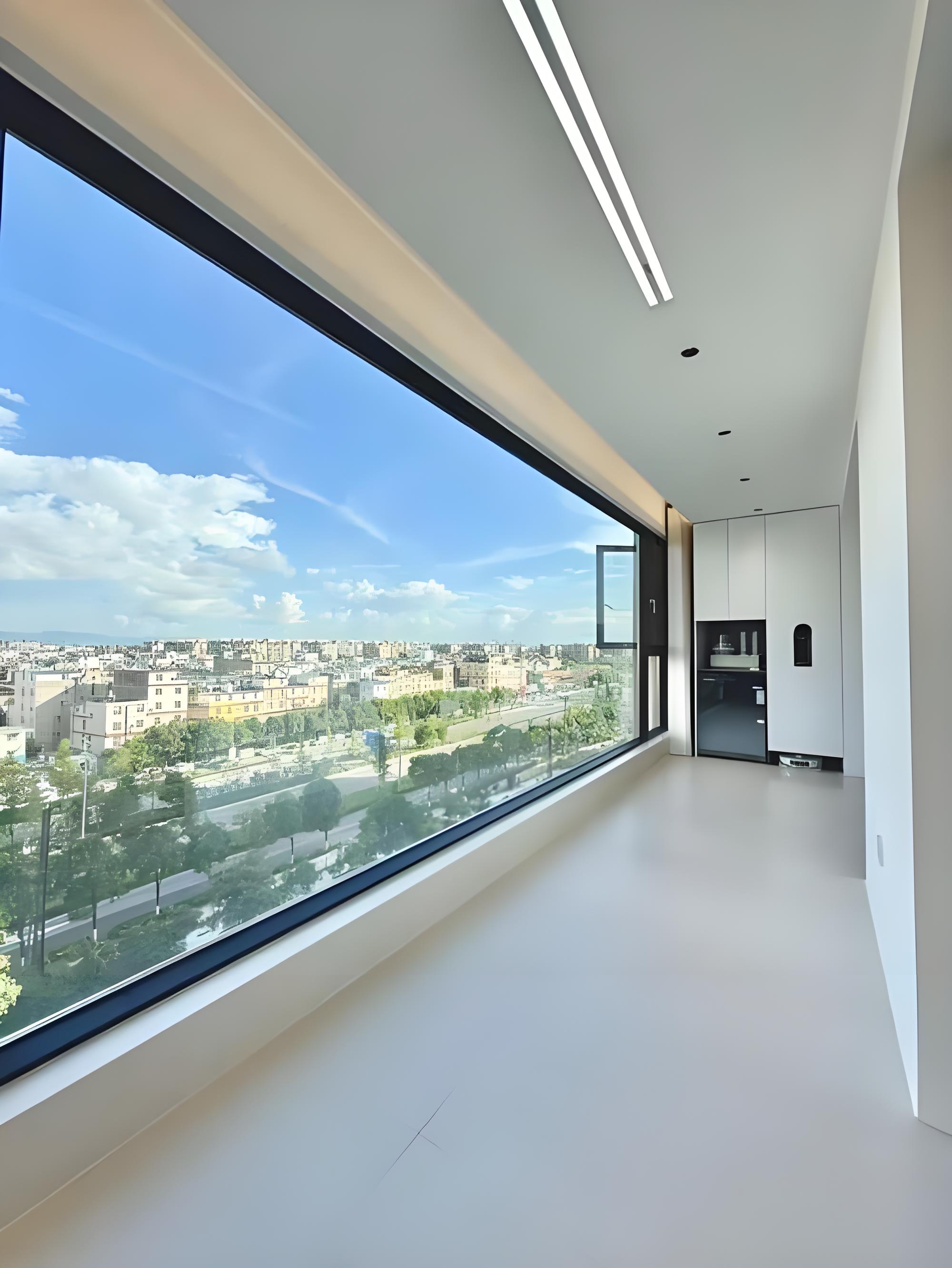
Low‑E Window Glass | Low‑Emissivity Glass for Energy‑Efficient Windows & Doors
Low‑Emissivity Glass – The Essential Upgrade for Energy‑Code Compliant Windows & Doors
Low‑E window glass (low‑emissivity glass) is a high‑performance coated glass that dramatically improves the thermal insulation of windows and doors while controlling solar heat gain. A microscopically thin metallic oxide coating – applied via magnetron sputtering (soft‑coat) – reflects long‑wave infrared heat back into the building in winter and reflects solar infrared radiation away in summer.
For procurement managers and facade engineers, Low‑E window glass is the single most impactful specification upgrade available for double‑glazed windows. It transforms a standard IGU (U‑value ~2.0–2.7 W/m²K) into a high‑performance envelope component (U‑value ~1.4 W/m²K or lower), meeting the most stringent energy codes worldwide – ASHRAE 90.1‑2022, Title 24‑2025, EPBD NZEB, and Passive House.
💡 Why Low‑E is the standard: Over 70% of commercial window IGU orders now include Low‑E coating. In Europe and North America, building codes effectively mandate Low‑E for all new construction. For glass exporters, Low‑E window glass represents the highest‑value, fastest‑growing segment of the architectural glass market.
1. Quick Specification
| Item | Double Silver Low‑E | Triple Silver Low‑E |
|---|
| Coating Type | MSVD soft‑coat, 2 silver layers | MSVD soft‑coat, 3 silver layers |
| Emissivity | 0.06–0.10 | 0.03–0.07 |
| Coating Surface | #2 (cold climate) or #3 (hot climate) | #2 or #3 |
| Standard IGU | 6+16Ar+6 | 6+16Ar+6 |
| U‑Value (Center of Glass) | ~1.4 W/m²K | ~1.2 W/m²K |
| SHGC Range | 0.25–0.35 | 0.18–0.25 |
| VLT Range | 50–65% | 50–60% |
| UV Blockage | 90–95% | >98% |
| Acoustic (Rw) | ~33 dB | ~33 dB |
| Max Size | 3830 × 15100 mm | 3810 × 14800 mm |
2. Why Low‑E Window Glass?
2.1 Dramatically Improved U‑Value
Adding a double silver Low‑E coating to a 6+16Ar+6 IGU reduces the U‑value from ~2.0 W/m²K (clear) to ~1.4 W/m²K – a 30% improvement. Triple silver Low‑E pushes this to ~1.2 W/m²K, approaching the performance of triple glazing at lower weight and cost.
2.2 Year‑Round Energy Savings
- Winte: Reflects interior heat back inside, reducing heating demand by 15–25%.
- Summer: Reflects solar infrared radiation, reducing cooling load by 20–35%.
- Net result: Annual HVAC energy savings of 20–30% compared to clear double glazing.
2.3 Enhanced Comfort
Low‑E glass keeps the interior glass surface closer to room temperature – typically 3–5°C warmer in winter compared to clear glass. This eliminates cold drafts and radiant discomfort near windows.
2.4 Condensation Resistance
The warmer interior surface significantly reduces condensation risk, protecting window frames and preventing mold growth.
2.5 UV Protection
Double silver Low‑E blocks 90–95% of UV radiation; triple silver blocks >98%. This protects furniture, flooring, artwork, and merchandise from fading.
2.6 No Visible Tint (Neutral Low‑E)
Modern double and triple silver Low‑E coatings are optically neutral – they do not impart a noticeable color cast, unlike older single‑silver or tin‑oxide coatings. This preserves the true color of the glass and the view.
3. Low‑E Coating Generations
| Generation | Silver Layers | Emissivity | U‑Value (6+16Ar+6) | SHGC | VLT | Best For |
|---|
| Single Silver | 1 | 0.12–0.15 | ~1.6 W/m²K | 0.37–0.53 | 61–72% | Cold climates, budget |
| Double Silver ⭐ | 2 | 0.06–0.10 | ~1.4 W/m²K | 0.25–0.35 | 50–65% | Commercial standard, mixed climates |
| Triple Silver | 3 | 0.03–0.07 | ~1.2 W/m²K | 0.18–0.25 | 50–60% | Hot climates, Passive House, net‑zero |
💡 Recommendation: For 90% of commercial and residential window projects, double silver Low‑E provides the optimal balance of performance, cost, and availability. Specify triple silver only when SHGC below 0.22 is required or for Passive House certification.
4. Available Configurations
4.1 Standard Low‑E IGU Configurations
| Configuration | Coating | Gas | U‑Value | SHGC | VLT | Application |
|---|
| 6+12Ar+6 Low‑E | Double Silver | Argon | ~1.6 | 0.28–0.35 | 52–62% | Budget commercial, residential |
| 6+16Ar+6 Low‑E | Double Silver | Argon | ~1.4 | 0.25–0.35 | 50–65% | Standard commercial windows |
| 6+16Kr+6 Low‑E | Double Silver | Krypton | ~1.2 | 0.25–0.35 | 50–65% | High‑performance residential |
| 6+16Ar+6 Low‑E | Triple Silver | Argon | ~1.2 | 0.18–0.25 | 50–60% | Hot climate, Passive House |
| 6+16Kr+6 Low‑E | Triple Silver | Krypton | ~1.0 | 0.18–0.25 | 50–60% | Ultra‑efficient, cold climate |
| 8+16Ar+8 Low‑E | Double Silver | Argon | ~1.4 | 0.25–0.33 | 45–58% | High‑rise windows |
| 8+16Ar+8 Low‑E | Triple Silver | Argon | ~1.2 | 0.18–0.22 | 48–55% | Super‑tall, extreme wind load |
4.2 Low‑E + Additional Features
| Configuration | Added Feature | U‑Value | Application |
|---|
| 6+1.52PVB+16Ar+6 Low‑E | Laminated inner lite (safety) | ~1.4 | Schools, hospitals, overhead |
| 6+1.52SGP+16Ar+6 Low‑E | SGP laminated (blast/security) | ~1.4 | Government, embassies |
| 6+16Ar+6 Low‑E + Tinted Outer | Solar control + aesthetics | ~1.4 | Architectural color projects |
| 6+16Ar+6 Low‑E + Reflective Outer | Mirror finish + energy | ~1.4 | Commercial facades |
5. Performance Data
5.1 6+16Ar+6 Low‑E – Double Silver
| Parameter | Balanced Variant | Solar Control Variant |
|---|
| U‑Value (Center of Glass) | ~1.4 W/m²K | ~1.4 W/m²K |
| SHGC | 0.30–0.35 | 0.22–0.27 |
| VLT | 55–65% | 41–50% |
| g‑value | 0.30–0.35 | 0.22–0.27 |
| UV Blockage | 90–95% | 93–97% |
| Light‑to‑Solar Gain Ratio (LSG) | ~1.8 | ~1.9 |
5.2 6+16Ar+6 Low‑E – Triple Silver
| Parameter | Balanced Variant | Ultra‑Low SHGC Variant |
|---|
| U‑Value (Center of Glass) | ~1.2 W/m²K | ~1.2 W/m²K |
| SHGC | 0.20–0.25 | 0.15–0.19 |
| VLT | 50–58% | 41–50% |
| g‑value | 0.20–0.25 | 0.15–0.19 |
| UV Blockage | >98% | >98% |
| LSG | ~2.3 | ~2.6 |
5.3 Acoustic Performance (6+16Ar+6 Low‑E)
| Configuration | Rw (dB) | STC |
|---|
| Standard Low‑E IGU | ~33 | ~33 |
| Asymmetric Low‑E IGU (6mm + 4mm) | ~34 | ~34 |
| Laminated Low‑E IGU (1.52 PVB) | ~36 | ~36 |
6. Jumbo & Oversized Low‑E Window Glass
Our jumbo Low‑E IGU capability is a key differentiator – few manufacturers can produce Low‑E coated IGUs at these sizes.
| Parameter | Standard | Jumbo |
|---|
| Max Width | ≤2400 mm | ≤3830 mm |
| Max Height | ≤6000 mm | ≤15400 mm (extreme up to 18200 mm) |
| Max Area | ~14 m² | ~59 m² |
| Glass Thickness | 4–6 mm | Up to 12 mm per lite |
| Coating Uniformity | Standard | Verified across full panel |
Benefits of Jumbo Low‑E Window Glass
- Floor‑to‑ceiling Low‑E windows – maximum energy performance with uninterrupted views
- Large sliding glass doors – dramatic openings with thermal efficiency
- Fewer frame divisions – reduced thermal bridging, cleaner aesthetics
- Reduced installation cost – fewer units for large‑scale projects
7. Pricing Guidance (Indicative FOB, USD/m²)
6+16Ar+6 Low‑E IGU – Standard Sizes (≤2400×6000mm)
| Coating | Gas | Price Range (USD/m²) |
|---|
| Double Silver (balanced) | Argon | $32–48 |
| Double Silver (solar control) | Argon | $34–50 |
| Triple Silver (balanced) | Argon | $42–60 |
| Triple Silver (ultra‑low SHGC) | Argon | $46–64 |
| Triple Silver (balanced) | Krypton | $52–74 |
| Triple Silver (ultra‑low SHGC) | Krypton | $56–80 |
Jumbo Size Surcharge
- Panels >3300×6000mm: +10–20%
- Extreme length: Engineering review required
Price Determinants
| Factor | Impact |
|---|
| Coating generation | Triple silver +15–25% vs. double silver |
| Gas fill | Krypton +15–25% vs. argon |
| Glass thickness | 8mm +20–35% vs. 6mm |
| Laminating | +$15–40/m² |
| Warm‑edge spacer | +$3–6/m² vs. aluminum |
| Tinted / reflective outer lite | +$5–16/m² |
| Quantity | FCL pricing available |
💡 ROI perspective: Adding Low‑E coating to a standard IGU typically costs $10–18/m² extra but reduces annual HVAC energy costs by $5–12/m² – delivering payback in 1.5–3 years.
8. Standards & Certifications
| Standard | Scope |
|---|
| EN 669 | Low‑E coating classification |
| EN 1079‑5 | IGU product standard |
| ASTM E2190 | IGU performance specification |
| IGCC | Insulating Glass Certification Council |
| CE | European conformity marking |
| ISO 9701 | Quality management |
| CCC | China compulsory certification |
| SGS | Third‑party inspection |
9. Request Low‑E Window Glass Quote
Submit your project requirements for a competitive FOB quotation and performance analysis.
Required Information:
- Configuration (e.g., 6+16Ar+6 Low‑E)
- Coating generation: Double Silver / Triple Silver
- Coating variant: Balanced / Solar Control / Ultra‑Low SHGC
- Coating placement: #2 or #3 surface
- Glass types: Outer lite + Inner lite (clear, tinted, laminated, etc.)
- Gas fill: Argon / Krypton
- Spacer type: Aluminum / Warm Edge / Swisspacer
- Glass thickness: 4mm / 5mm / 6mm / 8mm / 10mm
- Processing: Tempered / Annealed / Laminated
- Application: Windows / Doors / Facade
- Panel dimensions (width × height × quantity)
- Target U‑value, SHGC, VLT
- Project location & climate zone
- Certifications required
- Target delivery date
- 📧 Email your specification to: tomron1688@gmail.com
- 🌐 Or upload drawings at: www.jumbotemperedglass.com
- Response time: Technical review and indicative quotation within 48 hours.
10. Frequently Asked Questions
Q1: What is Low‑E window glass?
It is glass with a microscopically thin metallic oxide coating that reflects infrared heat while transmitting visible light. It improves U‑value by 30–50% compared to uncoated glass.
Q2: What is the difference between double silver and triple silver Low‑E?
Triple silver has three silver layers, achieving lower emissivity (0.03–0.07 vs. 0.06–0.10), lower U‑value (~1.2 vs. ~1.4 W/m²K), and lower SHGC (0.18–0.25 vs. 0.25–0.35). It is 15–25% more expensive.
Q3: Which coating surface should I choose?
2 (outer pane, cavity side) for cold climates – reflects interior heat back inside. #3 (inner pane, cavity side) for hot climates – blocks solar heat before entering the building.
Q4: Does Low‑E coating affect the appearance of the glass?
Modern double and triple silver Low‑E coatings are optically neutral – they appear clear with no visible tint. Older single‑silver coatings may have a slight blue or green cast.
Q5: Can Low‑E glass be combined with tinted or reflective glass?
Yes. Low‑E coating can be applied to tinted or reflective substrates, or placed on a separate lite within the IGU. This allows simultaneous color aesthetics and energy performance.
Q6: What is the maximum size for Low‑E IGU?
Up to 3830 × 15600 mm for standard Low‑E IGU. Larger sizes require engineering review.
Q7: What certifications do you provide?
EN 779, ASTM E2190, IGCC, CE, ISO 981, CCC, SGS.
Q8: What is the lead time?
Standard sizes: 5–7 weeks. Jumbo sizes: 7–9 weeks. Triple silver or specialty coatings: +1–2 weeks.
Q9: Can I get a sample?
Yes. 300×300mm Low‑E coated samples are available free of charge for coating evaluation.
Q10: How does Low‑E compare to triple glazing?
Low‑E double glazing (U‑value ~1.2–1.4) is lighter, thinner, and 30–50% cheaper than triple glazing (U‑value ~0.8–1.0). For most climates, Low‑E double glazing is sufficient. Triple glazing is reserved for Passive House and extreme cold climates.
11. Related Pages (Internal Link Cluster)
Within Window & Door Glass Section
Product Pages (Cross‑Links)
Other Applications