Low‑Iron Window Glass | Ultra‑Clear Glass for Windows & Doors – Jumbo Glass
Ultra‑Clear Glass – The Premium Choice for Maximum Daylight, True Color Rendering & Minimal Distortion
Low‑iron window glass – also known as ultra‑clear glass, extra‑clear glass, or water‑white glass – is a specially formulated float glass with significantly reduced iron oxide content (typically <0.01% Fe₂O₃ compared to ~0.1% in standard clear float). This reduction eliminates the characteristic green tint found at the edges of ordinary glass, resulting in a crystal‑clear, water‑white appearance with visibly higher light transmission.
For procurement managers and architects designing luxury residences, flagship retail stores, museum display cases, aquarium windows, viewing galleries, and high‑end curtain walls, low‑iron window glass is the preferred specification. Its superior clarity and color neutrality enhance natural daylight, showcase interior finishes accurately, and eliminate the colour distortion that standard glass imparts.
💡 Why low‑iron glass is specified: Low‑iron glass accounts for approximately 8–12% of the architectural glass market but commands 30–60% price premiums over standard float. It is the default choice for any application where optical quality is paramount – from Apple Store facades to Louvre Pyramid skylights. For glass exporters, low‑iron glass represents the premium tier with higher margins and discerning customers.
1. Quick Specification
| Parameter | Standard Clear Glass | Low‑Iron Glass |
|---|
| Iron Oxide Content | ~0.08–0.12% Fe₂O₃ | <0.01% Fe₂O₃ |
| Edge Colour | Green tint | Water‑white, no green |
| VLT (6mm) | ~89% | ~91–92% |
| VLT (12mm) | ~87% | ~90–91% |
| Solar Direct Transmittance (6mm) | ~83% | ~85% |
| UV Transmittance (6mm) | ~60% | ~65% |
| Clarity Index | Standard | Superior |
| Thickness Range | 2–25mm | 2–19mm (jumbo up to 12mm) |
| Max Size | 4830×20800 mm | 4660×20000 mm |
Performance Comparison (6mm Monolithic)
| Property | Clear Float | Low‑Iron Float | Difference |
|---|
| VLT | ~89% | ~91–92% | +2–3% |
| Direct Solar Transmittance | ~83% | ~85% | +2% |
| UV Transmittance | ~60% | ~65% | +5% |
| Visible Reflectance (external) | ~8% | ~8% | Same |
| Colour Rendering Index | ~98 | >99 | Improved |
| Edge Appearance | Green | Water‑white | Dramatic |
2. Why Low‑Iron Window Glass?
2.1 True Colour Perception
Standard float glass contains iron impurities that absorb red/orange wavelengths, giving a green tint particularly visible at the glass edge and in thicker sections. Low‑iron glass eliminates this, allowing colours of interior finishes, merchandise, artwork, and landscapes to be seen exactly as intended.
2.2 Maximum Daylight Transmission
At 91–92% VLT (6mm), low‑iron glass transmits 2–3% more visible light than standard clear glass. While seemingly small, this difference is noticeable in deep‑plan spaces and contributes to better daylight autonomy and reduced lighting energy consumption.
2.3 Superior Aesthetics for Spandrel & Vision Glass
When used in combination with ceramic frit or back‑painting, low‑iron glass produces vibrant, true‑to‑colour spandrel panels without the green undertone that plagues standard glass.
2.4 Ideal Substrate for Coatings
Low‑iron glass is the preferred base for:
- Spectrally selective Low‑E coatings – maximises VLT while maintaining low SHGC
- Reflective coatings – produces cleaner mirror tones
- Anti‑reflective (AR) coatings – achieves the highest possible light transmission (up to 98%)
- Digital ceramic printing – colours appear more vivid
2.5 Reduced Self‑Heating
Lower iron content means slightly lower absorption of solar energy, reducing thermal stress and self‑heating – beneficial for large panels and spandrel applications.
2.6 Consistency Across Thickness
With standard glass, the green tint intensifies with thickness. Low‑iron glass maintains its water‑white appearance from 2mm to 19mm, enabling uniform aesthetics in projects using multiple glass thicknesses.
3. Available Colours & Finishes in Low‑Iron Glass
While low‑iron glass itself is colourless, it serves as a perfectly neutral substrate for coloured glass products. The following options are available:
3.1 Clear Low‑Iron (Natural)
| Appearance | VLT (6mm) | Best For |
|---|
| Water‑white, crystal clear | ~91–92% | Windows, display cases, aquariums |
3.2 Low‑Iron Body‑Tinted Glass
Low‑iron base glass with added metal oxides for colour – produces cleaner, more vibrant tints than standard tinted glass (no green undertone).
| Colour | VLT (6mm) | Appearance Advantage vs. Standard Tinted |
|---|
| Low‑Iron Grey | 42% | Neutral grey without green cast |
| Low‑Iron Bronze | 49% | Warm bronze without muddy green |
| Low‑Iron Blue | 38% | Pure cobalt blue, no teal shift |
| Low‑Iron Green | 45% | Fresh emerald green |
3.3 Low‑Iron Reflective Coated Glass
MSVD reflective coating on low‑iron substrate – produces brighter, truer mirror colours.
| Colour | VLT (6mm) | Exterior Reflectivity | Appearance |
|---|
| Low‑Iron Silver Reflective | 16% | 35% | Crystal‑clear mirror |
| Low‑Iron Blue Reflective | 22% | 32% | Vibrant blue mirror |
| Low‑Iron Bronze Reflective | 24% | 25% | Warm bronze mirror |
| Low‑Iron Gold Reflective | 12% | 40% | Brilliant gold mirror |
3.4 Low‑Iron Spectrally Selective Low‑E
Combines low‑iron substrate with double/triple silver Low‑E coating for maximum VLT with minimum SHGC.
| Coating | VLT (IGU) | SHGC (IGU) | LSG |
|---|
| Double Silver Low‑E on Low‑Iron | 65% | 0.28 | 2.32 |
| Triple Silver Low‑E on Low‑Iron | 60% | 0.23 | 2.61 |
3.5 Low‑Iron Ceramic Fritted Glass
Opaque ceramic ink printed on low‑iron glass produces vivid, true‑to‑RAL colours without green undertone. Ideal for spandrel panels and vision glass with dot patterns.
4. Low‑Iron Window Glass Configurations
4.1 Monolithic Low‑Iron Glass
| Thickness | VLT | Weight | Application |
|---|
| 4mm | ~92% | ~10 kg/m² | Interior partitions, small windows |
| 6mm | ~91% | ~15 kg/m² | Standard windows, display cases |
| 8mm | ~90% | ~20 kg/m² | Large windows, aquariums |
| 10mm | ~89% | ~25 kg/m² | Viewing panels, heavy‑duty |
| 12mm | ~88% | ~30 kg/m² | Aquarium tanks, structural glazing |
4.2 Low‑Iron IGU (Double Glazed)
| Configuration | Outer Lite | Cavity | Inner Lite | VLT | U‑Value |
|---|
| Standard Low‑Iron IGU | 6mm Low‑Iron | 16mm Argon | 6mm Low‑Iron | ~83% | ~1.6 |
| Low‑Iron + Low‑E IGU | 6mm Low‑Iron | 16mm Argon | 6mm Low‑Iron Low‑E | ~60–65% | ~1.4 |
| Low‑Iron Solar Control IGU | 6mm Low‑Iron Tinted | 16mm Argon | 6mm Low‑Iron Clear | 35–50% | ~1.6 |
| Low‑Iron Reflective IGU | 6mm Low‑Iron Reflective | 16mm Argon | 6mm Low‑Iron Clear | 12–24% | ~1.6 |
4.3 Low‑Iron Triple Glazed IGU
| Configuration | VLT | U‑Value | Application |
|---|
| 4mm Low‑Iron + 12Ar + 4mm Low‑Iron + 12Ar + 4mm Low‑Iron | ~78% | ~0.9 | Passive House with maximum daylight |
| 6mm Low‑Iron + 16Ar + 6mm Low‑Iron Low‑E + 16Ar + 6mm Low‑Iron | ~55% | ~0.7 | Premium energy + clarity |
4.4 Low‑Iron Laminated Glass
| Configuration | VLT | Application |
|---|
| 3mm Low‑Iron + 0.38PVB + 3mm Low‑Iron (6.38mm) | ~88% | Safety glass with crystal clarity |
| 6mm Low‑Iron + 0.76PVB + 6mm Low‑Iron (12.76mm) | ~84% | High‑safety, aquariums |
| 6mm Low‑Iron + 0.76 Acoustic PVB + 6mm Low‑Iron | ~82% | Acoustic + clarity |
5. Performance Data
5.1 Optical Performance (6mm Low‑Iron vs. Standard Clear)
| Wavelength | Standard Clear Transmission | Low‑Iron Transmission |
|---|
| 400 nm (violet) | 87% | 90% |
| 550 nm (green peak) | 90% | 92% |
| 650 nm (red) | 88% | 91% |
| 800 nm (near‑IR) | 82% | 85% |
| 1000 nm (near‑IR) | 75% | 80% |
5.2 Colour Rendering Metrics
| Metric | Standard Clear | Low‑Iron |
|---|
| Ra (CRI) | ~98 | >99 |
| R9 (saturated red) | ~85 | >95 |
| Correlated Colour Temperature (CCT) | ~5700K | ~5500K (more neutral) |
| Dominant Wavelength | ~495 nm (green) | ~570 nm (yellow‑green, neutral) |
5.3 Solar Performance (6mm Monolithic)
| Parameter | Standard Clear | Low‑Iron |
|---|
| SHGC | 0.83 | 0.85 |
| SC | 0.94 | 0.96 |
| UV Transmittance | ~60% | ~65% |
| Solar Absorptance | ~12% | ~10% |
💡 Note: Because low‑iron glass transmits more solar energy, it is slightly less effective as a stand‑alone solar control product. However, when combined with Low‑E or reflective coatings, the low‑iron substrate delivers superior daylight performance without increasing heat gain.
6. Jumbo & Oversized Low‑Iron Window Glass
Our jumbo float glass supply includes low‑iron glass at exceptional sizes.
| Parameter | Standard | Jumbo |
|---|
| Max Width | ≤2440 mm | ≤3660 mm |
| Max Height | ≤6000 mm | ≤20600 mm (extreme up to 21600 mm) |
| Max Area | ~15 m² | ~75 m² |
| Thickness Range | 2–12 mm | 4–12 mm |
| Edge Quality | Flat ground / Polished | Flat ground / Polished |
Benefits of Jumbo Low‑Iron Window Glass
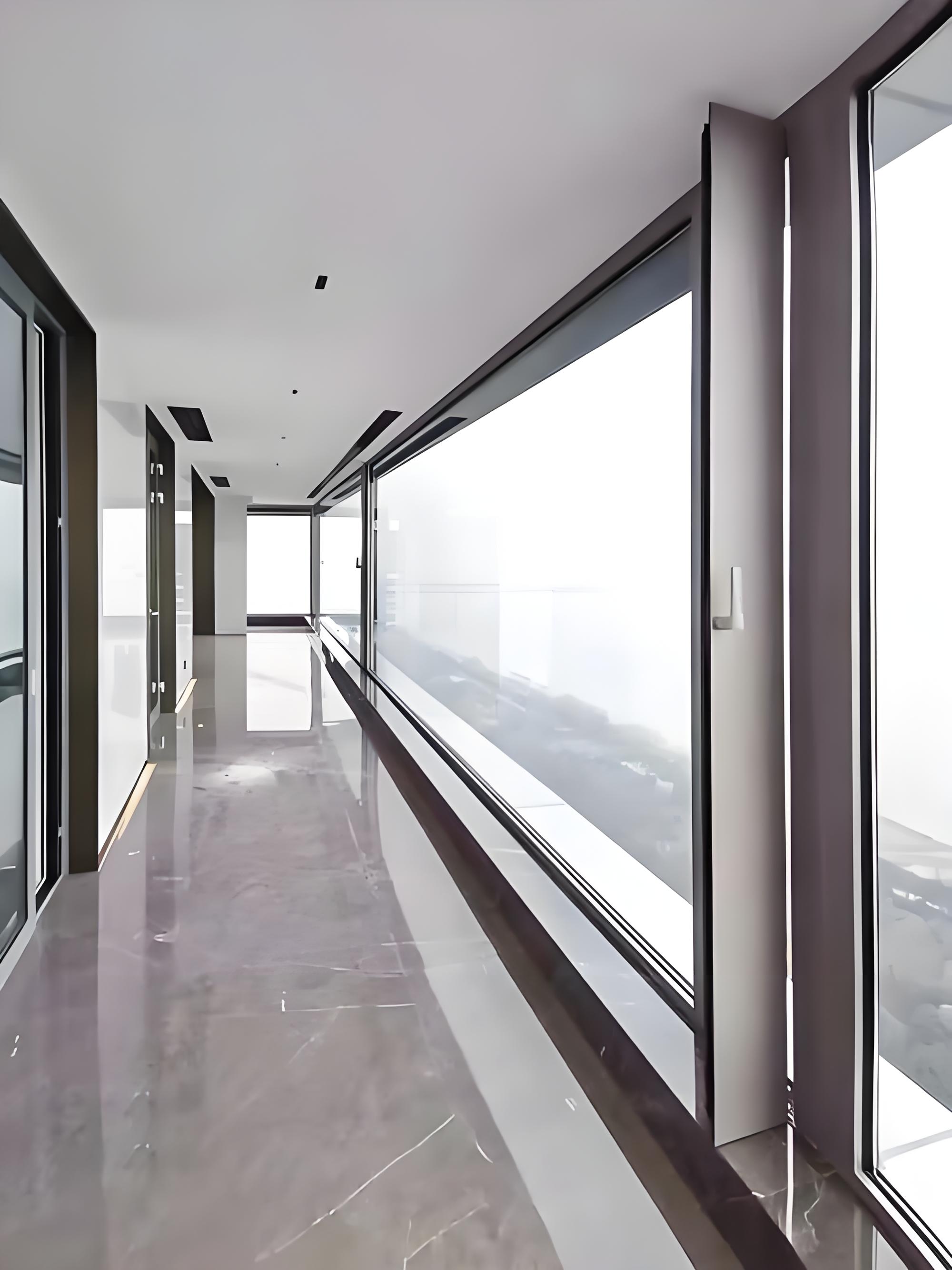
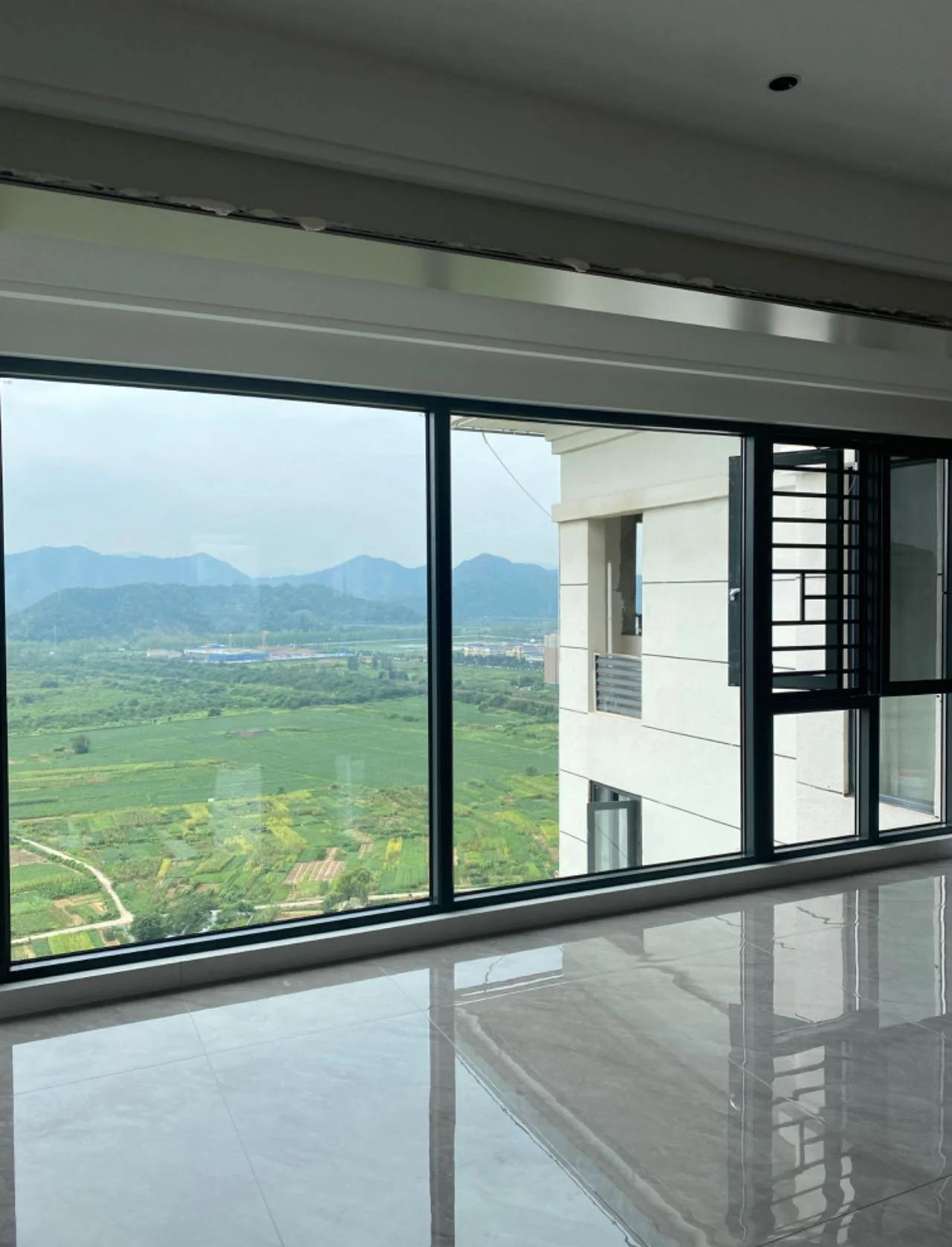
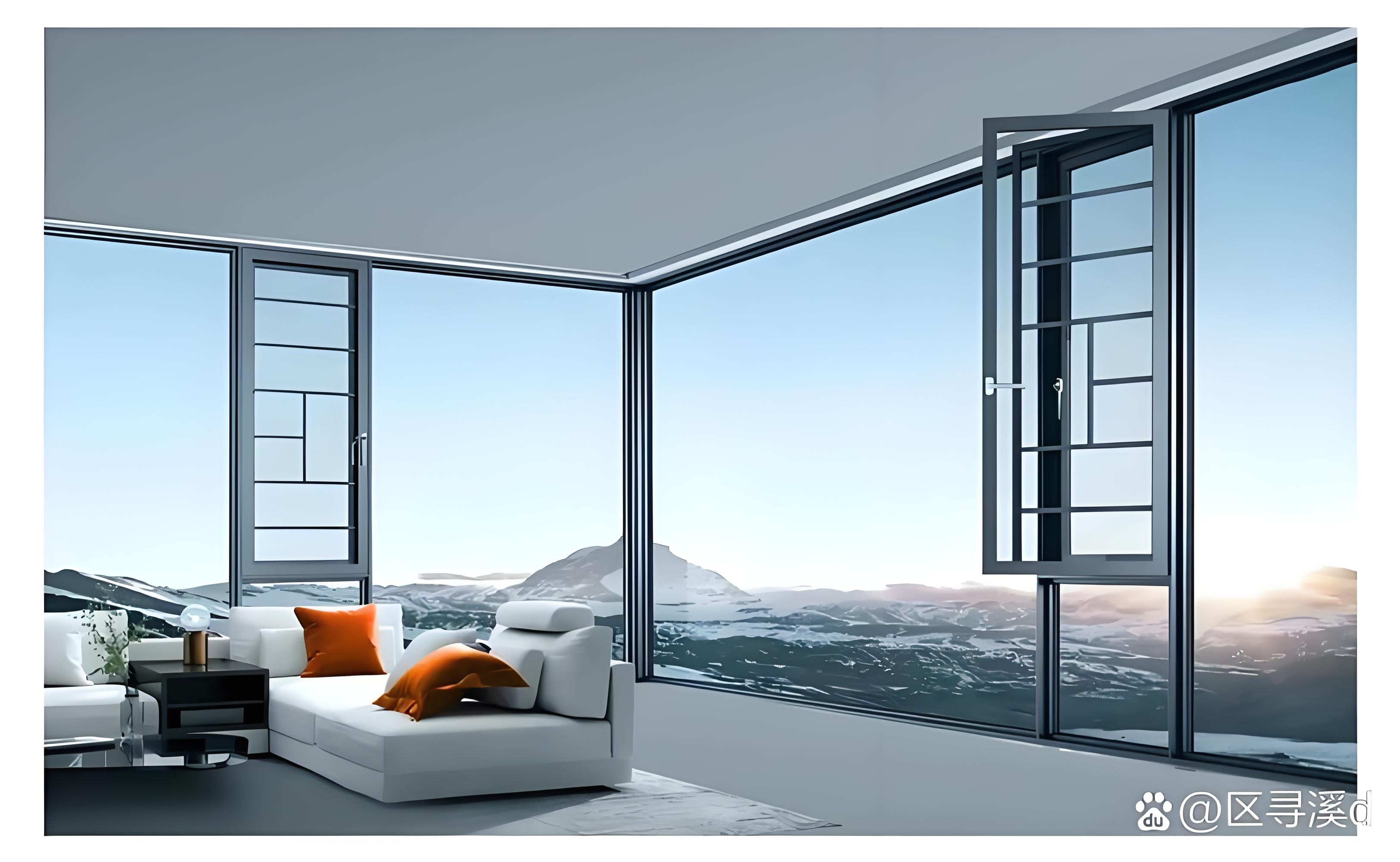
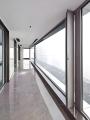
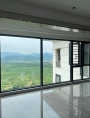
- Floor‑to‑ceiling ultra‑clear windows – maximum daylight with zero green tint
- Large aquarium viewing panels – crystal‑clear underwater views
- Showroom & museum display windows – true colour presentation
- Fewer frame divisions – cleaner aesthetics, uninterrupted sightlines
7. Processing & Fabrication
7.1 Edge Finishing
- Flat ground – standard
- Polished – recommended for exposed edges (low‑iron’s clarity makes polished edges especially attractive)
- Beveled – decorative
7.2 Tempering
- Low‑iron glass can be fully tempered after cutting.
- Heat soak test (HST) available on request.
7.3 Laminating
- Compatible with PVB, acoustic PVB, and SGP interlayers.
- Note: Use clear PVB (not slightly green‑tinted standard PVB) to maintain water‑white appearance. We offer ultra‑clear PVB for premium low‑iron laminates.
7.4 Hole Drilling & Notching
- Must be completed before tempering.
- Minimum edge distance: 2× thickness.
7.5 Ceramic Frit Printing
- Digital ceramic printing on low‑iron glass produces vibrant, saturated colours without green undertone.
- Available in any RAL or custom colour.
7.6 Anti‑Reflective (AR) Coating
- AR coating on low‑iron glass can achieve VLT up to 98% with reflectivity below 1%.
- Ideal for museum display cases, retail windows, and viewing galleries.
8. Standards & Certifications
| Standard | Scope |
|---|
| EN 672 | Float glass – composition and properties |
| ASTM C1036 | Standard specification for flat glass |
| ISO 81485 | Glass in building – determination of light transmittance |
| EN 4096 | Coated glass – classification |
| CE | European conformity marking |
| CCC | China compulsory certification |
| SGS | Third‑party inspection |
9. Pricing Guidance (Indicative FOB, USD/m²)
Monolithic Low‑Iron Glass – Standard Sizes (≤2400×6000mm)
| Thickness | Price Range (USD/m²) |
|---|
| 4mm | $14–22 |
| 6mm | $18–28 |
| 8mm | $24–36 |
| 10mm | $30–44 |
| 12mm | $38–54 |
Low‑Iron IGU (6mm Low‑Iron + 16Ar + 6mm Low‑Iron)
| Configuration | Price Range (USD/m²) |
|---|
| Clear Low‑Iron IGU | $42–60 |
| Low‑Iron + Low‑E IGU (Double Silver) | $52–74 |
| Low‑Iron + Low‑E IGU (Triple Silver) | $62–88 |
| Low‑Iron Tinted IGU | $48–68 |
Jumbo Size Surcharge
- Panels >3300×6000mm: +10–20%
- Extreme length: Engineering review required
Processing Surcharges
| Service | Surcharge |
|---|
| Tempering | +$6–12/m² |
| Laminating (6.38mm, ultra‑clear PVB) | +$22–34/m² |
| Acoustic PVB interlayer | +$8–14/m² |
| Ceramic frit printing | +$8–15/m² |
| Anti‑reflective coating | +$20–40/m² |
| Heat soak test | +$3–6/m² |
| Polished edges | +$3–6/m |
10. Request Low‑Iron Window Glass Quote
Submit your project requirements for a competitive FOB quotation.
Required Information:
- Glass type: Clear Low‑Iron / Low‑Iron Tinted / Low‑Iron Reflective / Low‑Iron Low‑E
- Colour/finish (if applicable)
- Thickness: 4mm / 5mm / 6mm / 8mm / 10mm / 12mm
- Configuration: Monolithic / IGU / Laminated / Triple glazed
- For IGU: Cavity width, gas fill, Low‑E coating details
- For laminated: Interlayer type (PVB / Acoustic PVB / SGP) and thickness
- Dimensions (width × height × quantity)
- Edge finish: Flat ground / Polished / Beveled
- Processing: Tempered / Annealed / Laminated
- Special requirements: AR coating, ceramic frit, holes
- Application: Windows / Doors / Display case / Aquarium / Facade
- Certifications required
- Target delivery date
- 📧 Email your specification to: tomron1688@gmail.com
- 🌐 Or upload drawings at: www.jumbotemperedglass.com
- Response time: Technical review and indicative quotation within 48 hours.
11. Frequently Asked Questions
Q1: What is low‑iron window glass?
Float glass with reduced iron oxide content (<0.01% Fe₂O₃) that eliminates the green tint seen in standard glass. It appears water‑white and transmits more visible light.
Q2: How much more light does low‑iron glass transmit?
Approximately 2–3% more visible light than standard clear glass of the same thickness. The difference is most noticeable in thicker sections and edge views.
Q3: Is low‑iron glass stronger than standard glass?
No. The mechanical properties are identical to standard float glass. It must be tempered or laminated to achieve safety glass status.
Q4: Can low‑iron glass be combined with Low‑E coating?
Yes. Low‑iron is the preferred substrate for spectrally selective Low‑E coatings because it maximises VLT. The combination yields the highest LSG (Light‑to‑Solar Gain Ratio) available.
Q5: What thickness should I choose for windows?
6mm is standard for most windows. 8–12mm for large panels, aquariums, or structural applications where clarity is critical.
Q6: Does low‑iron glass cost more?
Yes. Low‑iron glass is typically 30–60% more expensive than standard clear glass due to the specialised raw materials and production process.
Q7: What is the maximum size?
Up to 3660 × 21000 mm for 6mm low‑iron glass. Thicker glass has slightly smaller maximum dimensions.
Q8: What certifications do you provide?
EN 872, ASTM C1036, ISO 71485, CE, CCC, SGS.
Q9: What is the lead time?
Standard sizes: 3–5 weeks. Jumbo sizes: 5–7 weeks. AR coating or specialty laminates: +1–2 weeks.
Q10: When should I specify low‑iron glass instead of standard clear?
Whenever colour fidelity, maximum daylight, or aesthetic purity is important: luxury residential, retail display, museums, aquariums, showrooms, and any application where the glass edge will be visible.
12. Related Pages (Internal Link Cluster)
Within Window & Door Glass Section
Product Pages (Cross‑Links)
Other Applications