Ultra Clear Tempered Glass – Crystal Clarity for Display Cases, with Heat Soak Treatment
Ultra‑Clear (Low‑Iron) Toughened Glass with Optional Heat Soaking — Spontaneous Breakage Rate < 0.1%
Crystal Clarity for Display Cases — with Heat Soak Treatment for Spontaneous Breakage Rate < 0.1%
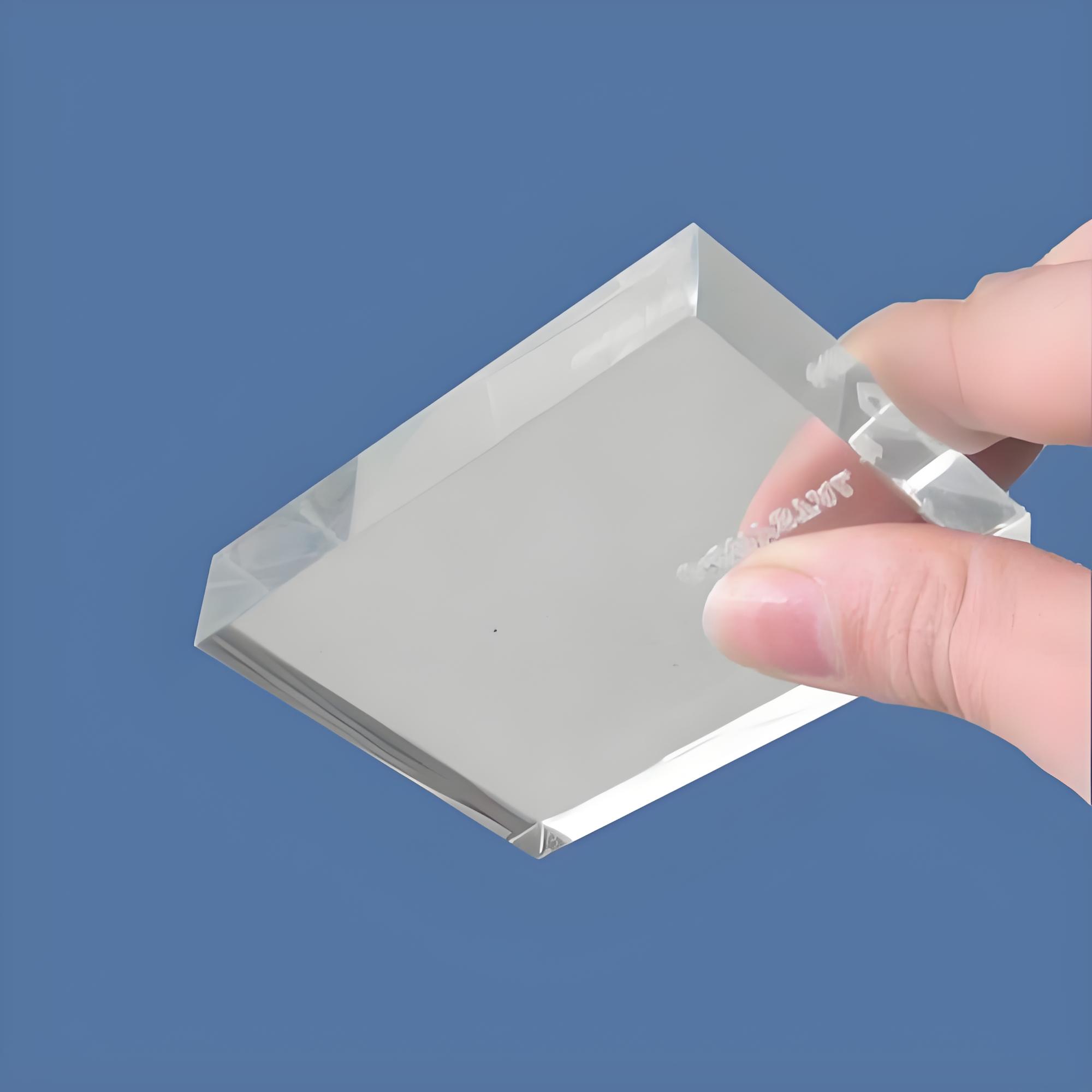
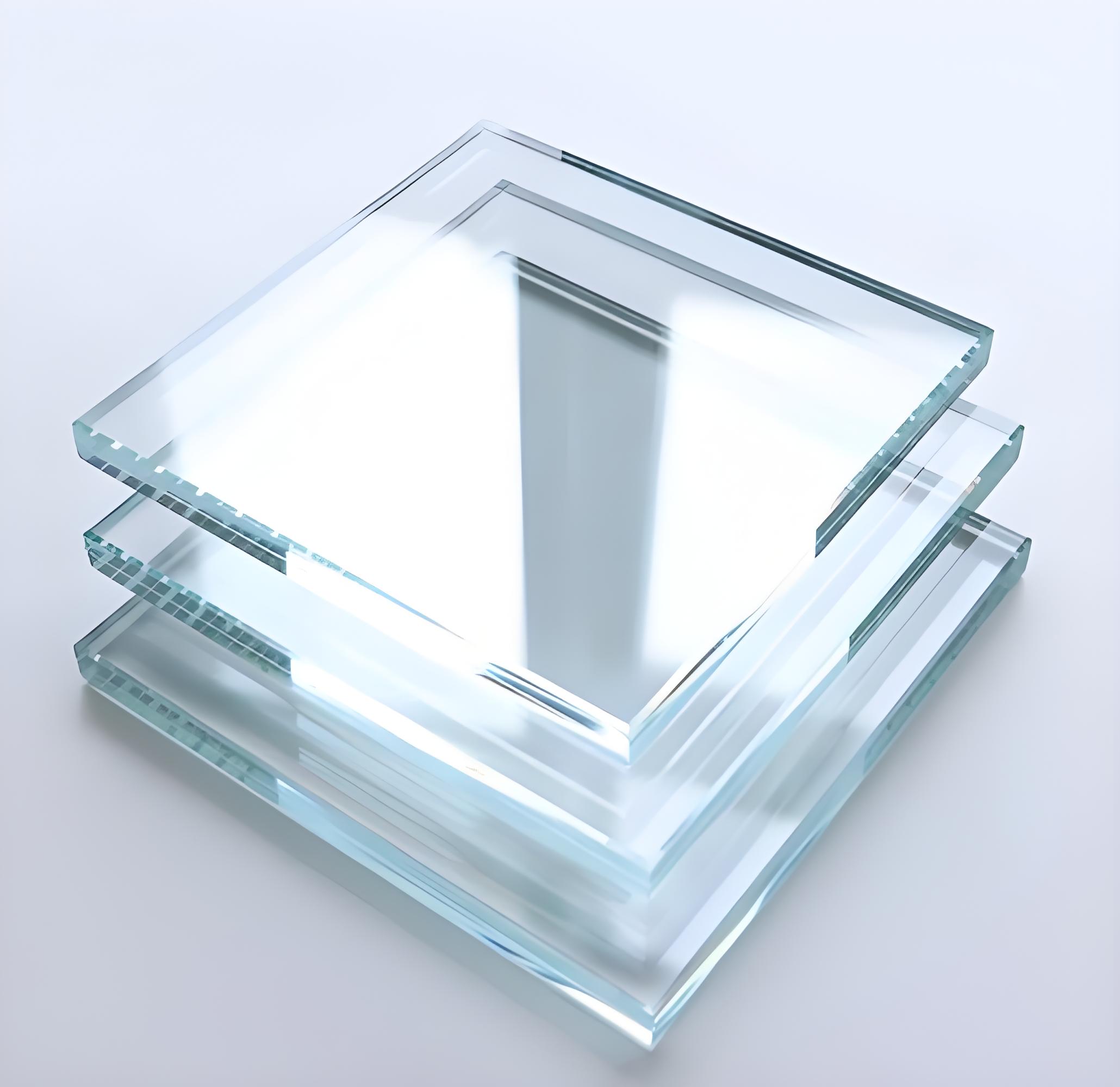
Ultra clear tempered glass — also called low‑iron toughened glass or extra‑clear safety glass — is produced by physically tempering a low‑iron float glass substrate. The low iron oxide content (typically < 120 ppm) removes the greenish tint inherent in standard clear glass, delivering a visible light transmittance of ≥ 91% and true‑color rendering that makes displayed objects appear "alive and real." When this ultra‑clear substrate is further heat soak tested (HST) per EN 14179, the already‑low risk of nickel sulfide (NiS)‑induced spontaneous breakage is driven down to < 0.1% — making it the most reliable choice for display cases, museum showcases, and high‑end retail cabinetry where a single spontaneous breakage means disassembling the entire fixture.
For specifiers, the value proposition is two‑fold: optical purity that honors the product on display, and documented reliability that protects the investment in the fixture.
| Key Specification | Value |
|---|
| Glass Type | Ultra‑clear (low‑iron) fully tempered + optional heat soak |
| Iron Content | < 120 ppm (low‑iron substrate) |
| Thickness Range | 3mm, 4mm, 5mm, 6mm, 8mm, 10mm, 12mm, 15mm, 19mm |
| Maximum Size | 3300 × 15000 mm |
| Light Transmittance (Clear, 12mm) | ≥ 91% |
| Color Rendering Index (CRI) | ≈ 99.9 |
| Surface Compressive Stress | ≥ 95 MPa |
| Bending Strength | 4–5× annealed glass |
| Thermal Shock Resistance | 200–320℃ temperature differential |
| Heat Soak Process | Per EN 14179: ~290℃, hold ≥ 2 hours |
| Residual Spontaneous Breakage | < 0.1% (target; EN 14179 industry‑accepted control) |
| Edgework | Flat polish, pencil edge, beveled, C‑edge, seamed |
| Processing | CNC cutting, drilling, cut‑outs, silk‑screen printing, digital ceramic printing |
| Certifications | EN 12150, EN 14179, CE, AS/NZS 2208, CCC, SGCC, IGCC, ISO 9001 |
| MOQ | 100 m² |
| Lead Time | 12–18 days (standard tempered); 15–22 days (with HST) |
Why Ultra Clear + Heat Soak Is the Display‑Case Standard
1. Crystal Clarity — The "No‑Green" Advantage
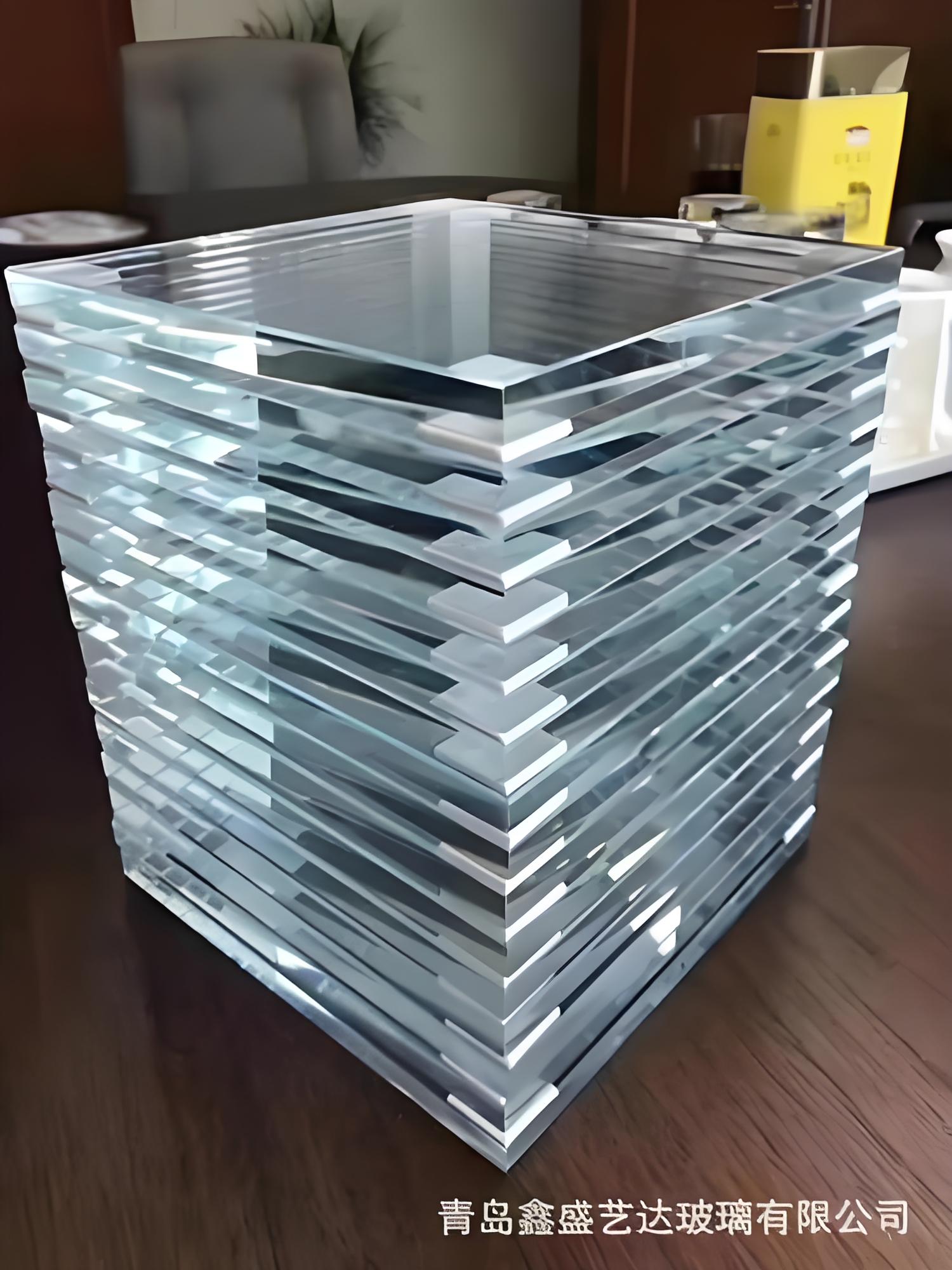
Standard clear float glass contains iron oxide that gives edges and thick panels a visible green tint. This tint subtly distorts the perceived color of everything behind it — a critical flaw for luxury retail, museum conservation, and jewelry display. Low‑iron ultra‑clear glass eliminates this tint: light transmittance reaches 91%, and the Color Rendering Index approaches 99.9 — essentially sunlight‑quality illumination.
💡 For diamond, watch, art, and haute couture displays, this clarity directly translates into higher perceived value and increased conversion.
2. The Nickel Sulfide Problem — and How Heat Soaking Solves It
During the tempering process, microscopic nickel sulfide (NiS) inclusions are locked in a metastable high‑temperature phase. Over months or years at ambient temperature, these inclusions slowly convert to their low‑temperature phase, expanding ~4% and generating internal stress. When that stress exceeds the glass strength, the panel shatters spontaneously — with no external trigger. In a display case, this means not just a broken panel, but potential damage to the merchandise, a public‑space safety incident, and a costly fixture teardown.
Heat soak testing (HST) per EN 14179 solves this proactively: the tempered panels are placed in a heat‑soak oven, heated to ~290℃ (±10℃), and held for at least 2 hours. This accelerated thermal cycle forces any NiS‑containing panels to break inside the oven, not on the showroom floor. The result: spontaneous breakage rate drops to < 0.1% — an industry‑accepted risk reduction of up to 95% compared to non‑heat‑soaked tempered glass.
3. Safety by Design
When ultra clear tempered glass does break (from impact, not spontaneity), it fractures into small, blunt, honeycomb‑shaped granules rather than sharp shards — a critical safety feature in public‑facing retail and museum environments.
4. Thermal & Mechanical Robustness
Ultra clear tempered glass withstands:
- Temperature differentials of 200–320℃ (far exceeding the 20–100℃ limit of annealed glass)
- Surface pressure up to 95 MPa
- 4–5× the impact strength of annealed glass of the same thickness
- This makes it suitable not only for display cases but also for glass shelving, counter tops, and partition walls adjacent to heat sources.
How Ultra Clear Tempered Glass Compares
| Property | Standard Clear Tempered | Ultra Clear Tempered | Ultra Clear + Heat Soak |
|---|
| Iron content | Normal (green tint) | < 120 ppm (neutral) | < 120 ppm (neutral) |
| Light transmittance | ~83–88% | ≥ 91% | ≥ 91% |
| Edge color | Green | Clear/neutral | Clear/neutral |
| CRI | ~95 | ~99.9 | ~99.9 |
| Spontaneous breakage | 0.1%–0.3% | 0.1%–0.3% | < 0.1% |
| Thickness range | 3–19mm | 3–19mm | 3–19mm |
| Best for | General glazing | Display, showcase, aesthetic | Critical display, public spaces |
| Cost premium vs. clear | – | +10–15% | +15–25% |
Applications
Retail Display Cases & Showcases ⭐ Primary Application
From luxury boutiques to electronics flagship stores, ultra clear tempered glass with heat soak treatment is the default specification for:
- Jewelry & watch display cases
- Cosmetics & perfume showcases
- Mobile phone & consumer electronics cabinets
- High‑end fashion display walls
- Shoe & handbag vitrines
Museum & Gallery Display
Artifact conservation requires both optical purity (to see true colors) and zero risk of spontaneous breakage near irreplaceable items. Ultra clear + HST is specified for:
- Painting & sculpture vitrines
- Archaeological artifact cases
- Historical document display frames
- Interactive exhibit barriers
Display Shelving & Counter Tops
Glass shelves in retail display walls and glass counter tops in reception desks benefit from ultra‑clear's clarity and tempered strength. With heat soaking, the risk of a shelf spontaneously failing (and dropping merchandise) is virtually eliminated.
Glass Partitions & Balustrades (Visual Continuity)
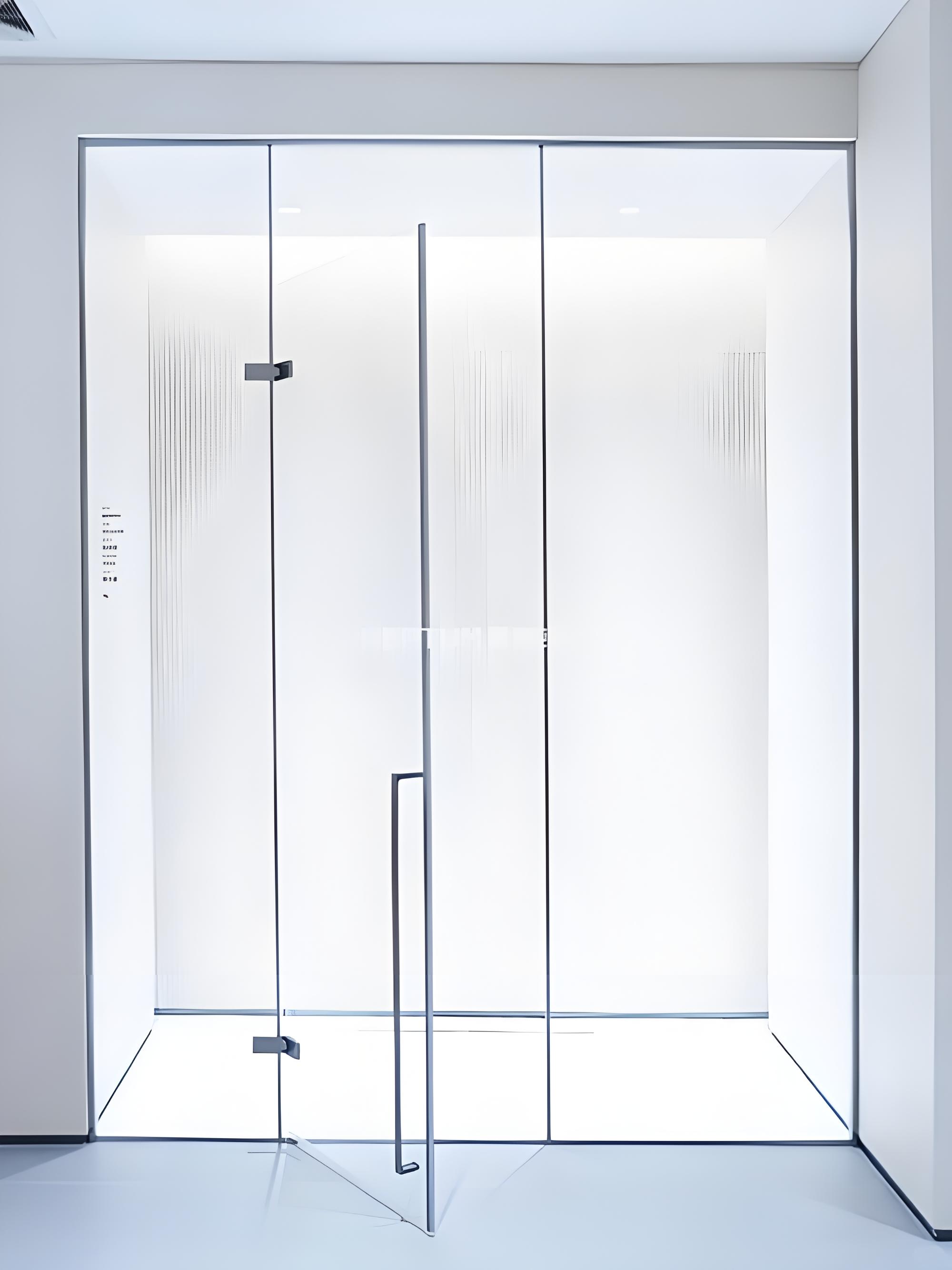
Where a display area flows into a public space, ultra clear tempered glass partitions and balustrades maintain visual continuity while providing safety. Heat soaking is strongly recommended for partitions in high‑traffic areas.
Point‑of‑Sale & Kiosk Glazing
Interactive kiosks, POS terminals, and self‑checkout stations use ultra clear tempered glass for touch surfaces and protective glazing. Heat soak treatment ensures these always‑on fixtures don't fail unexpectedly.
Display Cabinets in Hospitality
Hotel lobbies, restaurant display kitchens, and winery tasting rooms use ultra clear + HST glass cabinets to showcase products while guaranteeing guest safety.
Technical Specifications (Detailed)
| Parameter | Specification |
|---|
| Glass Substrate | Low‑iron ultra‑clear float glass (iron < 120 ppm) |
| Thickness Options | 3mm, 4mm, 5mm, 6mm, 8mm, 10mm, 12mm, 15mm, 19mm |
| Maximum Size | 3300 × 15000 mm |
| Minimum Size | 50 × 100 mm |
| Light Transmittance | ≥ 91% (clear, 12mm reference) |
| Color Rendering Index | ≈ 99.9 |
| Surface Compressive Stress | ≥ 95 MPa (per EN 12150) |
| Fragmentation | ≥ 40 granules in 50×50 mm (per EN 12150) |
| Thermal Shock Resistance | 200–320℃ temperature differential |
| Heat Soak Test | Per EN 14179: ~290℃, hold ≥ 2 hours |
| Residual Spontaneous Breakage | < 0.1% |
| Edgework Options | Flat polish, pencil edge, beveled, C‑edge, seamed, arrissed |
| Hole Drilling | Available (edge distance ≥ 2× thickness) |
| Cut‑outs | Available (CNC, before tempering) |
| Surface Treatments | Silk‑screen printing, digital ceramic printing, Low‑E coating, AR coating |
| Lamination Ready | Yes — can be laminated (PVB/SGP) after tempering |
| Insulating Unit Ready | Yes — can be assembled into IGU |
| Standards | EN 12150, EN 14179, CE, AS/NZS 2208, CCC, SGCC, IGCC, ISO 9001 |
| HST Documentation | Batch‑level temperature‑time records available |
Manufacturing & Quality Control
Every ultra clear tempered glass panel from JUMBO Glass Group passes through a documented, auditable process:
- Low‑iron substrate selection — iron content verified < 120 ppm, optical inspection for purity
- Precision cutting & edgework — CNC processing to ±0.1 mm; edge stress controlled
- Tempering — furnace heating above 600℃, rapid quenching; surface stress ≥ 95 MPa
- Heat soak test (optional, per EN 14179) — panels loaded into HST oven, heated to ~290℃, held ≥ 2 hours, monitored with calibrated thermocouples
- Post‑treatment inspection — visual check, flatness scan, fragmentation test on sample basis
- Documentation — HST temperature‑time records prepared for projects requiring certification
- Packing — export‑grade plywood crates with cork spacers, desiccant, protective corners
⚠️ Critical reminder: All cutting, drilling, shaping, and edgework must be completed BEFORE tempering. Once tempered (and heat soaked), the glass cannot be further processed.
Why Choose JUMBO Glass Group for Ultra Clear Tempered Glass?
- 25 years of architectural glass manufacturing expertise
- In‑house HST furnace — heat soaking is not outsourced, ensuring process control
- Jumbo capability — ultra clear tempered panels up to 3300 × 15000 mm
- Full thickness range — 3mm through 19mm, covering all display‑case requirements
- Optical quality control — iron content verified; CRI guaranteed ≥ 99.9
- Standards compliance — EN 12150, EN 14179, CE, AS/NZS 2208, CCC, SGCC, IGCC, ISO 9001
- Batch documentation — HST temperature‑time records available per project requirement
- Global track record — supplied to 100+ countries, 5000+ projects worldwide
- Integrated processing — in‑house lamination, IGU assembly, digital ceramic printing
- Daily capacity — 20,000 m² of tempered glass production
Pricing Guidance
Indicative FOB pricing (USD per m²):
| Thickness | Ultra Clear Tempered | + Heat Soak Upgrade |
|---|
| 3mm | 10–15 | +3–5 |
| 4mm | 10–16 | +3–5 |
| 5mm | 11–17 | +3–5 |
| 6mm | 12–19 | +4–6 |
| 8mm | 15–24 | +4–6 |
| 10mm | 17–27 | +5–7 |
| 12mm | 20–32 | +5–8 |
| 15mm | 28–45 | +6–10 |
| 19mm | 38–60 | +8–12 |
💡 For display‑case applications, the heat‑soak premium is a fraction of the cost of a single in‑service breakage event (which includes glass replacement, fixture teardown, merchandise risk, and brand‑reputation impact). Specifying HST is almost always the cost‑effective choice.
Frequently Asked Questions
Q1: What is the difference between ultra clear glass and standard clear tempered glass?
Ultra clear (low‑iron) glass has iron oxide content < 120 ppm, removing the green tint. Light transmittance reaches ≥ 91% vs. ~83–88% for standard clear, and the Color Rendering Index is ≈ 99.9 vs. ~95. This delivers true‑color clarity essential for display applications.
Q2: Does heat soaking make the glass clearer?
No. Heat soaking does not change the optical properties. It is a risk‑control process that forces nickel sulfide inclusions to fracture the glass inside the oven rather than after installation, reducing spontaneous breakage to < 0.1%.
Q3: Can ultra clear tempered glass be cut after tempering?
No. All cutting, drilling, and edgework must be completed before tempering. Heat soaking is performed after tempering, so no further processing is possible.
Q4: Is the < 0.1% spontaneous breakage rate guaranteed?
Heat soaking per EN 14179 is an industry‑accepted process that reduces NiS‑induced spontaneous breakage by up to 95%. While it cannot guarantee zero breakage, our internal target is < 0.1% — approximately 1 break per 1,000 m² vs. the 1 per 10,000 m² industry baseline for non‑HST glass.
Q5: What thickness should I specify for my display case?
- Display case sides/shelves: 5–8mm (ultra clear + HST)
- Glass counter tops: 8–12mm
- Large display partitions: 10–12mm
- Structural display walls: 12–19mm
- Q6: Can ultra clear tempered glass be laminated?
- Yes. Ultra clear tempered glass is frequently laminated with PVB or SGP interlayer for overhead display canopies, security cases, and anti‑bandit showcases. The heat soak process is completed before lamination.
- Q7: Can I get printed or coated ultra clear glass?
- Yes. We offer silk‑screen printing, digital ceramic printing (full‑color logos, patterns), Low‑E coatings, and anti‑reflective (AR) coatings on ultra clear tempered glass.
- Q8: What is the maximum size?
- 3300 × 15000 mm for flat ultra clear tempered glass. For heat‑soaked panels, the maximum size aligns with our HST furnace dimensions — please inquire for specific project requirements.
- Q9: How long does production take?
- Standard ultra clear tempered: 12–18 days. With heat soaking: 15–22 days, reflecting the additional 24–48 hour HST cycle.
- Q10: Do you provide HST documentation?
- Yes. We provide batch‑level heat‑soak temperature‑time records, fragmentation test reports, and a certificate of conformity referencing EN 14179.
- Q11: What certifications do you hold?
- EN 12150, EN 14179, CE, AS/NZS 2208, CCC, SGCC, IGCC, ISO 9001. Additional certifications available on request.
- Q12: Can ultra clear tempered glass be curved?
- Yes. We offer curved (bent) ultra clear tempered glass for cylindrical display cases, curved showcase walls, and architectural features. Minimum bend radius depends on thickness — typically R500mm or larger.
Get a Quote for Ultra Clear Tempered Glass (with optional Heat Soak)
Tell us your project requirements and our engineering team will respond within 48 hours with a detailed quotation.
Please provide:
- Panel dimensions (width × height × quantity)
- Glass thickness
- Glass type (ultra clear / low‑iron)
- Edgework specification
- Heat soak required? (Yes/No, per EN 14179)
- Further processing (printing, coating, lamination, IGU)
- Certification required
- Target delivery date
- Project name and location
- 📧 Email your specification to: tomron1688@gmail.com
- 🌐 Or visit: www.jumbotemperedglass.com
🔗 Related Products
📦 Tempered Glass Product List
Browse our tempered glass series:
- .5mm Tempered Glass for Small Showers, Splashbacks & Furniture – Ultra-light & budget-friendly ★ This page
- .6mm Tempered Glass for Windows, Doors & Canopies – Everyday safety glass ★ This page
- .8mm Jumbo Tempered Glass for Frameless Balustrades – Frameless balustrade specialist
- 10mm Tempered Glass for Premium Balustrades & Partitions – Premium confidence choice
- 12mm Tempered Glass for Floors & Balustrades – Structural grade
- .15mm Jumbo Tempered Glass for Grand Hotel Lobbies – Heavy-duty structural
7 .19mm Ultra-Clear Structural Tempered Glass – Ultra-heavy structural
8. 22mm Tempered Glass for Extreme Loads – Extreme structural
9. 25mm Jumbo Tempered Glass for Heavy Loads – Military / nuclear grade
10. Heat Soaked Tempered Glass (5mm-25mm) – HST certified supplier
🏆 Why Choose Us?
- •✅ 20+ years of tempered glass manufacturing, daily capacity 5000 ㎡
- •✅ Capable of 22mm × 6000mm jumbo panels (confirm current max size)
- •✅ Full certification: EN 12150, CE, ASTM C1048, AS/NZS 2208, CCC, ISO 9001
- •✅ In-house SGP/PVB lamination line for thick glass — one-stop structural composite processing
- •✅ HST mandatory for all 22mm orders — spontaneous breakage rate < 0.1%
- •✅ Custom heavy-duty crates with integrated spreader bars and crane lifting points — sea freight breakage < 1%
- •✅ 45-65 day lead time, MOQ from 30 ㎡
- •✅ Free TDS, test reports, and physical samples
- •✅ Worldwide shipping: Guangzhou / Shenzhen major ports