Low‑E Glass for Curtain Walls | Low‑Emissivity Glass Selection Guide for Commercial Facades
A Comprehensive Selection Guide for Procurement Managers & Facade Engineers
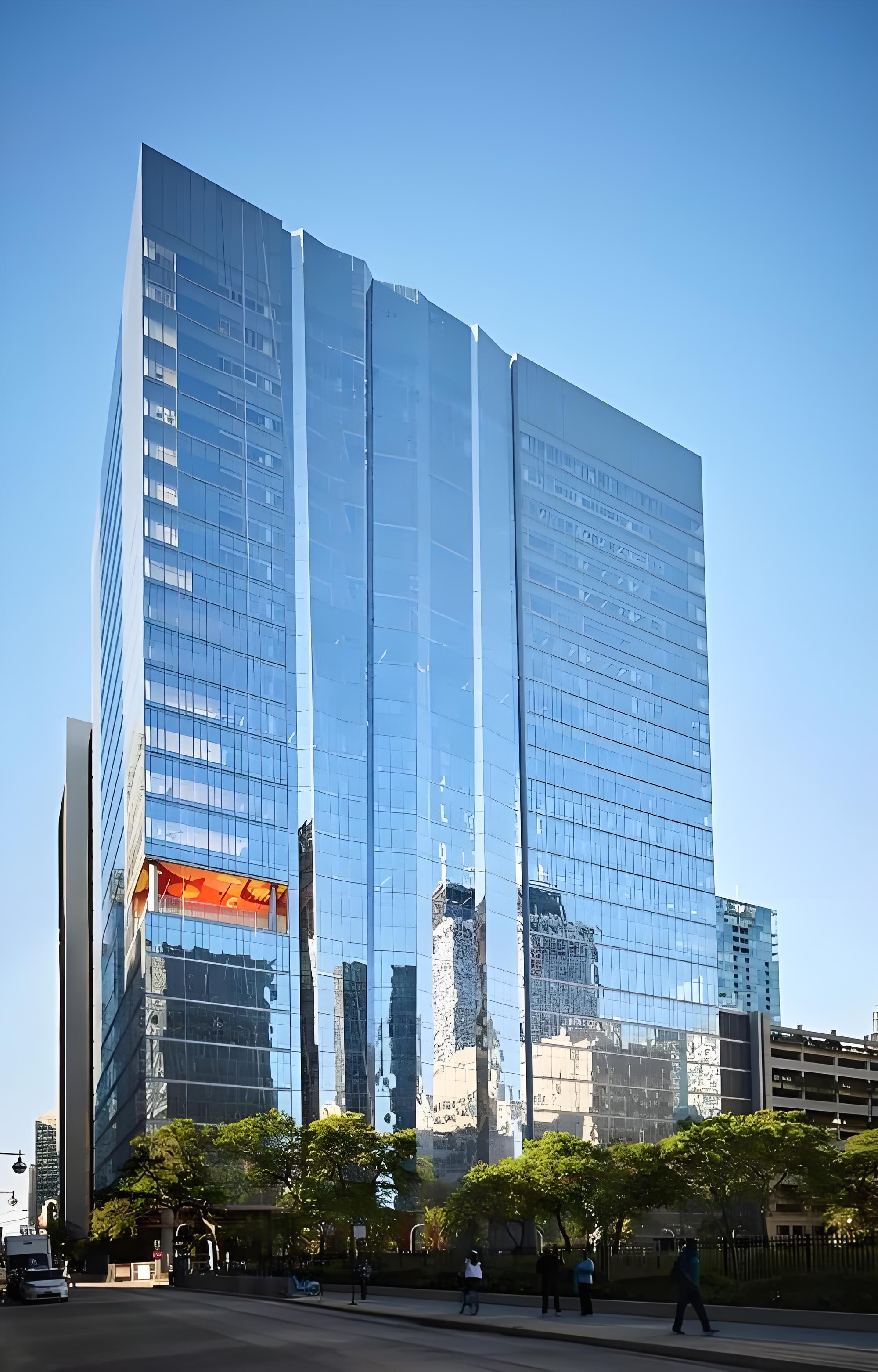
Choosing the right Low‑E glass for curtain walls is one of the most consequential decisions in commercial facade design. The wrong specification can lead to excessive cooling loads, occupant discomfort, condensation risks, or missed energy code targets. The right specification delivers decades of energy savings, thermal comfort, and architectural clarity.
This guide consolidates everything a procurement manager needs to know: which Low‑E technology to use, which IGU configuration fits your building, how to balance SHGC and VLT, and how to verify supplier capability.
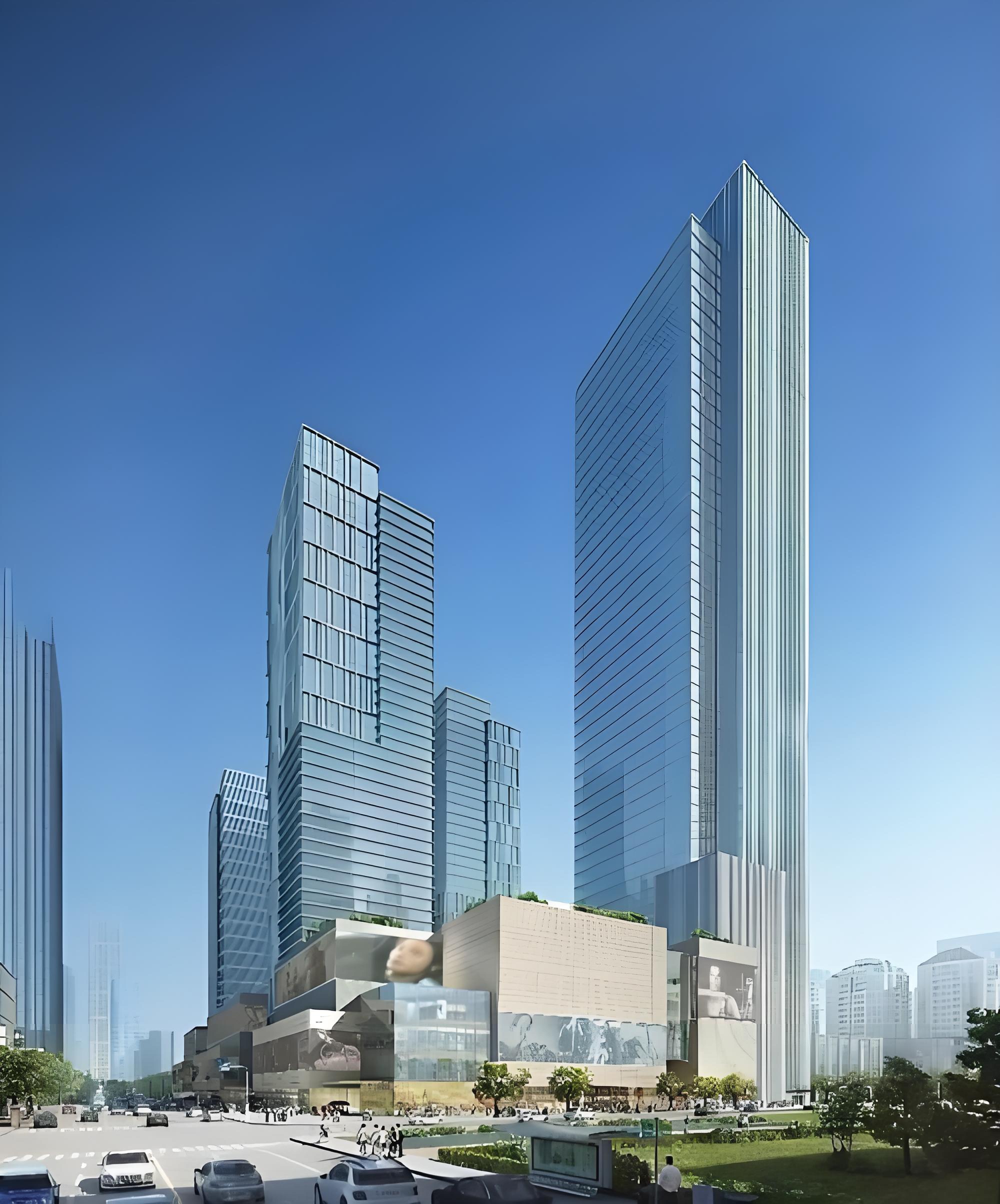
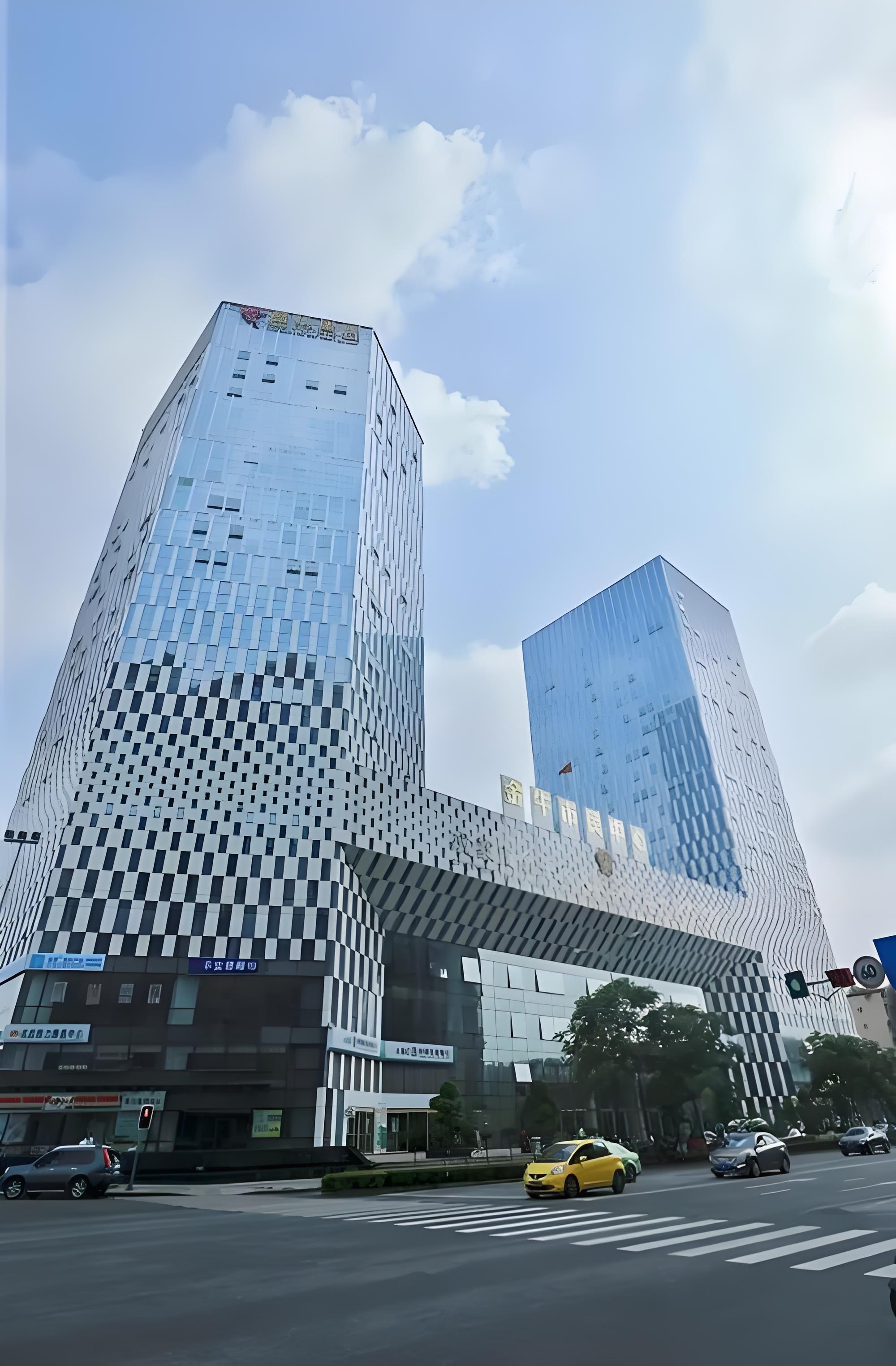
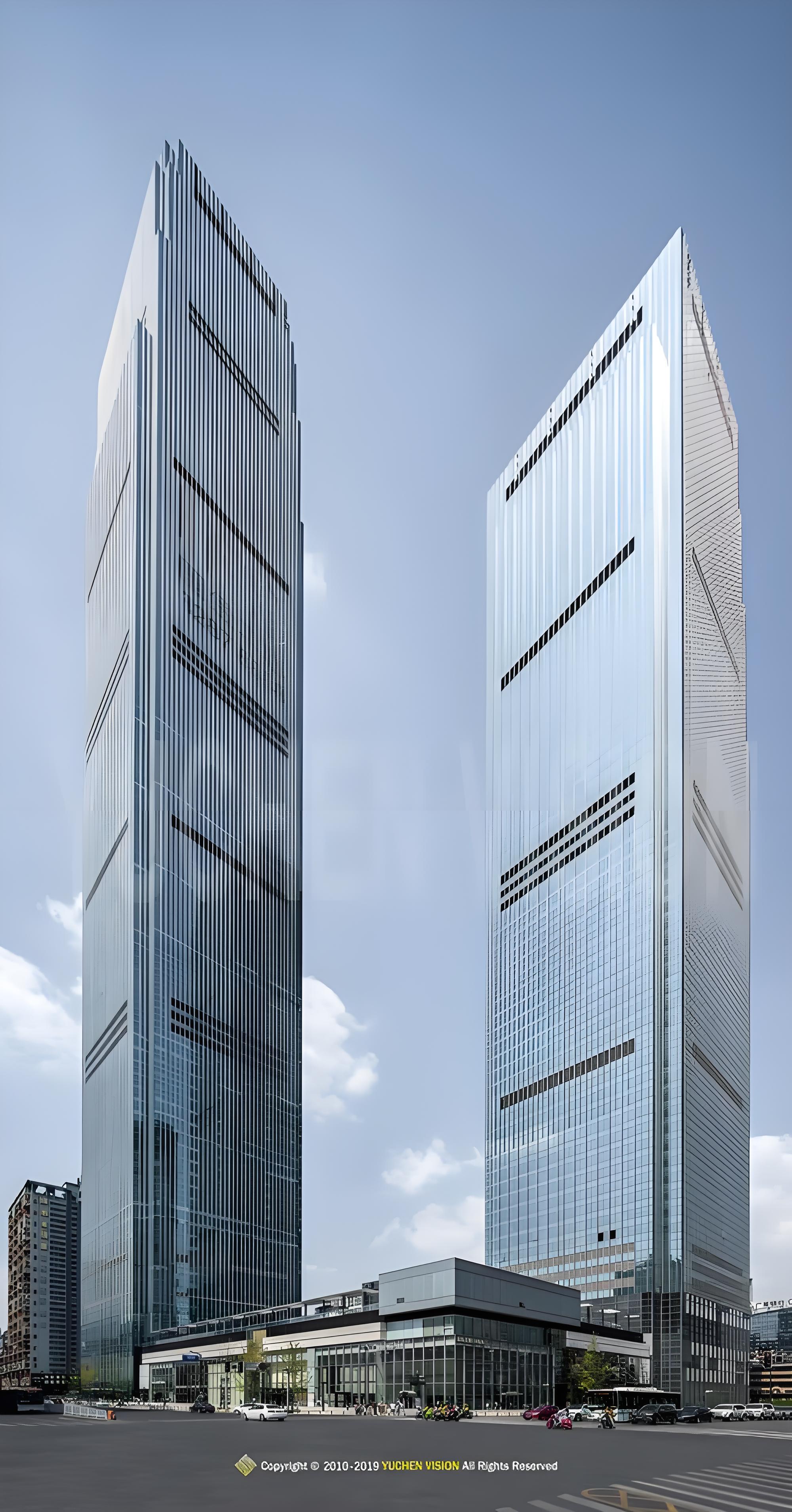
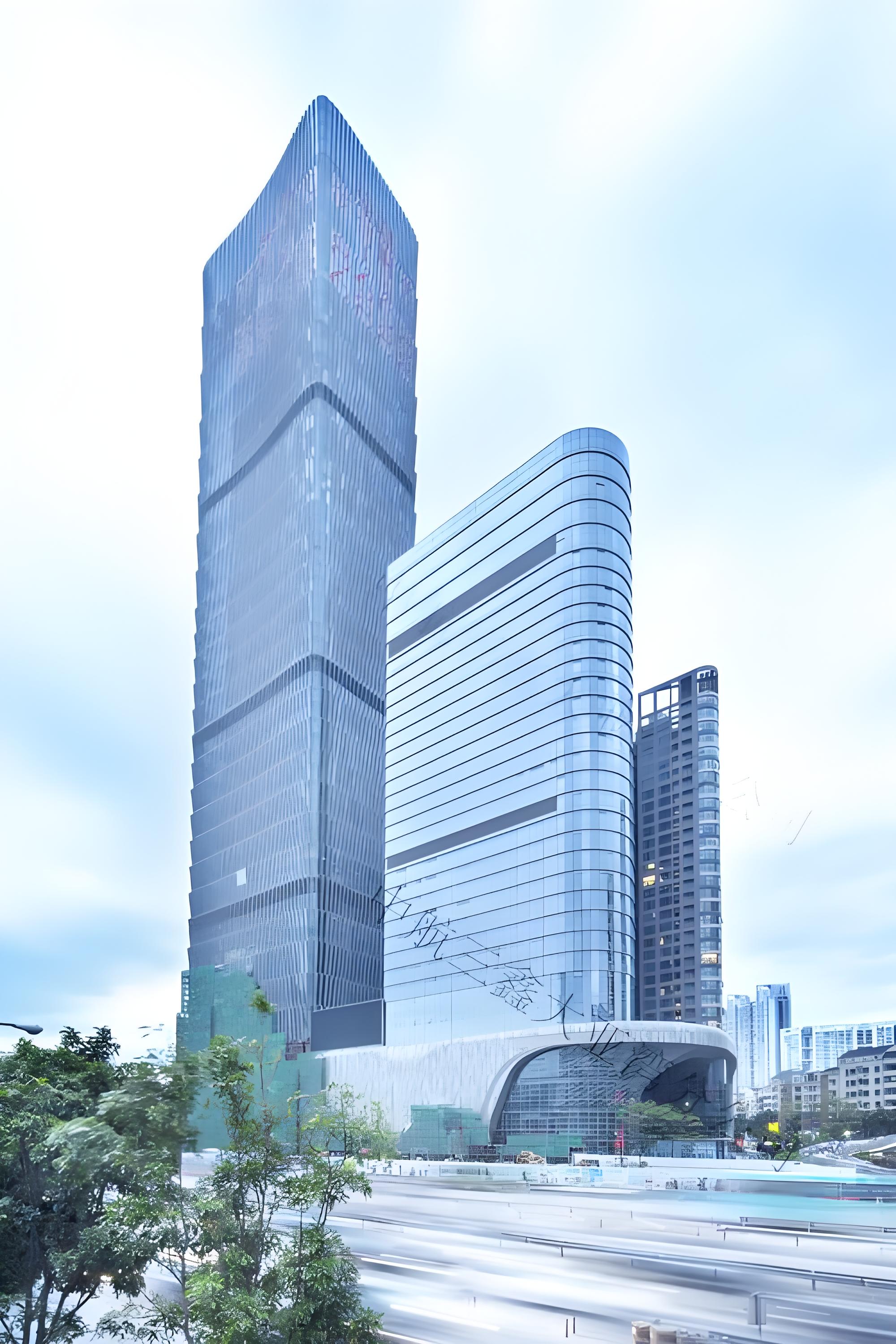
💡 Why curtain walls demand specialized Low‑E glass: Curtain walls are non‑structural cladding systems with continuous glazing. Unlike punched windows, curtain walls have: Higher glass‑to‑frame ratio (often >80% vision glass) Greater exposure to solar radiation (large uninterrupted areas) Stricter deflection limits (L/175 vs. L/120 for windows) More demanding thermal bridging requirements These factors make Low‑E glass selection more critical for curtain walls than for any other glazing application.
1. The Four Decisions You Must Make
Every curtain wall Low‑E specification boils down to four sequential choices:
| Decision # | Question | Options | Impact |
|---|
| 1 | Coating type: soft coat or hard coat? | Soft coat (MSVD) / Hard coat (pyrolytic) | Determines performance ceiling, durability, and cost |
| 2 | Coating generation: single, double, or triple silver? | 1 Ag / 2 Ag / 3 Ag | Sets SHGC, U‑value, and VLT range |
| 3 | IGU configuration: cavity width and gas fill? | 12mm / 16mm / 20mm; Argon / Krypton | Fine‑tunes U‑value and acoustic performance |
| 4 | Coating placement: #2 or #3 surface? | #2 (cold climate) / #3 (hot climate) | Optimizes heating vs. cooling energy balance
We'll walk through each decision with the data you need to make an informed choice. |
2. Soft Coat vs. Hard Coat for Curtain Walls
| Parameter | Soft Coat (MSVD) – Recommended | Hard Coat (Pyrolytic) |
|---|
| Market share in curtain walls | >90% | <10% |
| Emissivity | 0.03–0.15 | 0.20–0.30 |
| U‑Value potential (IGU) | 1.0–1.6 W/m²K | 1.5–2.0 W/m²K |
| SHGC range | 0.15–0.56 | 0.40–0.70 |
| Color neutrality | Excellent | Slight haze possible |
| Edge deletion required? | Yes | No |
| Can be used monolithically? | No | Yes |
| Relative cost | Baseline | 20–30% lower |
✅ Recommendation for curtain walls: Always specify soft coat Low‑E. Hard coat cannot achieve the low U‑value and SHGC required by modern energy codes (ASHRAE 90.1‑2022, Title 24‑2025, EPBD). Hard coat is only viable for budget‑limited projects in cold climates with lenient code requirements.
3. Choosing the Right Coating Generation
Single Silver Low‑E
| Parameter | Value |
|---|
| Silver layers | 1 |
| Emissivity | 0.12–0.15 |
| U‑Value (6+16Ar+6) | ~1.7 W/m²K |
| SHGC | 0.29–0.56 |
| VLT | 51–72% |
| Best for | Cold climates, maximum daylight, budget projects |
Double Silver Low‑E ⭐ (Most Specified for Curtain Walls)
| Parameter | Value |
|---|
| Silver layers | 2 |
| Emissivity | 0.06–0.10 |
| U‑Value (6+16Ar+6) | ~1.4 W/m²K |
| SHGC | 0.22–0.44 |
| VLT | 41–72% |
| Best for | Commercial curtain walls, temperate/mixed climates, office towers |
Triple Silver Low‑E
| Parameter | Value |
|---|
| Silver layers | 3 |
| Emissivity | 0.03–0.07 |
| U‑Value (6+16Kr+6) | ~1.1 W/m²K |
| SHGC | 0.15–0.29 |
| VLT | 41–63% |
| Best for | Hot climates, Passive House, net‑zero, super‑tall towers |
💡 Rule of thumb: Cold climate (HDD >3000): Single silver or double silver (high‑VLT variant) Temperate climate (HDD 1500–3000): Double silver (balanced) Hot climate (CDD >3000): Double silver (solar control) or triple silver Passive House / net‑zero: Triple silver with krypton
4. IGU Configuration Selection
The most common curtain wall IGU configurations are:
| Configuration | Cavity | Gas | U‑Value (double silver) | Acoustic (Rw) | Weight | Best For |
|---|
| 6+12Ar+6 | 12mm | Argon | ~1.6 W/m²K | ~31 dB | ~30 kg/m² | Budget, light commercial |
| 6+16Ar+6 ⭐ | 16mm | Argon | ~1.4 W/m²K | ~33 dB | ~30 kg/m² | Standard curtain wall |
| 6+16Kr+6 | 16mm | Krypton | ~1.2 W/m²K | ~33 dB | ~30 kg/m² | High‑performance |
| 8+16Ar+8 | 16mm | Argon | ~1.4 W/m²K | ~35 dB | ~40 kg/m² | High‑rise, super‑tall |
| 8+16Kr+8 | 16mm | Krypton | ~1.2 W/m²K | ~35 dB | ~40 kg/m² | Passive House high‑rise |
| 10+16Ar+10 | 16mm | Argon | ~1.4 W/m²K | ~36 dB | ~50 kg/m² | Megatall, extreme loads |
Configuration Selection Matrix
| Building Height | Wind Load | Acoustic Target | Recommended IGU |
|---|
| <100m | <1.5 kPa | <Rw 32 | 6+12Ar+6 or 6+16Ar+6 |
| 100–250m | 1.5–2.5 kPa | Rw 32–34 | 6+16Ar+6 |
| 250–400m | 2.5–3.5 kPa | Rw 34–36 | 8+16Ar+8 |
| >400m | >3.5 kPa | Rw 36+ | 10+16Ar+10 or custom |
5. Coating Placement: #2 vs. #3 Surface
The Low‑E coating must be placed on a cavity‑facing surface. The choice affects energy performance:
| Climate | Recommended Surface | Effect |
|---|
| Cold (heating dominated) | #2 (outer pane, cavity side) | Reflects interior heat back inside – reduces heating load |
| Hot (cooling dominated) | #3 (inner pane, cavity side) | Blocks solar heat before it enters the building – reduces cooling load |
| Mixed | Either – model both options | Choose based on annual energy simulation |
💡 For most commercial curtain walls in mixed climates, #3 surface is preferred because cooling loads dominate commercial building energy consumption.
6. Performance Targets by Energy Code
| Code / Standard | Max U‑Value (IGU) | Max SHGC (depending on climate) |
|---|
| ASHRAE 90.1‑2022 | 1.6–2.0 W/m²K | 0.25–0.40 |
| California Title 24‑2025 | 1.4–1.8 W/m²K | 0.20–0.35 |
| EPBD (Europe) NZEB | 1.0–1.4 W/m²K | 0.20–0.30 |
| Passive House Institute | ≤0.80 W/m²K (whole window) | ≤0.25 |
| LEED v5 / BREEAM | Points awarded for U‑value <1.4 | Points for SHGC <0.30 |
✅ Compliance shortcut: For most US commercial projects, specify 6+16Ar+6 with double silver Low‑E (balanced variant). This configuration comfortably meets ASHRAE 90.1‑2022 and Title 24‑2025 in all but the most extreme climates.
7. Jumbo Size Capability for Curtain Walls
Curtain walls often require oversized panels to reduce vertical sightlines and installation labor. Our capabilities:
| Parameter | Maximum |
|---|
| Monolithic glass (before IGU) | 3300 × 9600 mm |
| IGU (double glazed) | 3310 × 9300 mm |
| Coating uniformity | ΔE ≤ 1.5 across full panel |
| Tolerance | ±1mm on length, ±0.5mm on diagonal |
💡 Jumbo panels reduce cost per m² by minimizing frame members and installation time. Always confirm your supplier's jumbo capacity before finalizing the curtain wall module.
8. Supplier Qualification Checklist
Before awarding a Low‑E curtain wall contract, verify:
| Check | Why It Matters |
|---|
| ✅ In‑house MSVD coating line | Ensures coating consistency and supply chain control |
| ✅ Automated edge deletion | Critical for soft coat IGU longevity |
| ✅ IGCC or equivalent certification | Independent validation of IGU quality |
| ✅ Jumbo size track record | Proven ability to produce large panels consistently |
| ✅ Blast / hurricane testing | Required for many commercial projects |
| ✅ Warm‑edge spacer capability | Reduces thermal bridging at glass edge |
| ✅ On‑time delivery history | Curtain wall schedules are unforgiving |
9. Quick Reference: Recommended Specifications by Project Type
| Project Type | Coating | IGU | Gas | U‑Value | SHGC | VLT |
|---|
| Office tower, temperate | Double silver (balanced) | 6+16Ar+6 | Argon | ~1.4 | ~0.33 | ~60% |
| Office tower, hot climate | Double silver (solar control) | 6+16Ar+6 | Argon | ~1.4 | ~0.25 | ~45% |
| Luxury hotel, mixed climate | Double silver (balanced) | 6+16Ar+6 | Argon | ~1.4 | ~0.33 | ~60% |
| Super‑tall tower (>300m) | Triple silver (balanced) | 8+16Ar+8 | Argon | ~1.2 | ~0.22 | ~58% |
| Passive House commercial | Triple silver (balanced) | 8+16Kr+8 | Krypton | ~1.0 | ~0.22 | ~58% |
| Budget commercial, cold | Single silver | 6+12Ar+6 | Argon | ~1.7 | ~0.40 | ~70% |
| Airport terminal | Double silver (balanced) | 8+16Ar+8 | Argon | ~1.4 | ~0.33 | ~60% |
10. Get Expert Assistance for Your Curtain Wall Project
Every curtain wall is unique. Send us your project parameters and we'll provide a free performance analysis with recommended Low‑E specifications, U‑value/SHGC calculations, and a competitive FOB quotation.
Please provide:
- Project location & climate zone
- Building height & wind load data
- Target energy code (ASHRAE, Title 24, EPBD, Passive House)
- Desired VLT range (if any)
- Panel dimensions (width × height × quantity)
- Frame system type (stick, unitized, semi‑unitized)
- Acoustic target (if any)
- Delivery timeline
- 📧 Email your specification to: tomron1688@gmail.com
- 🌐 Or visit: www.jumbotemperedglass.com
11. Related Pages (Internal Link Cluster)
Low‑E Glass Product Pages
IGU Configuration Pages
Related Resources