Double Glazed Glass / Double Glazing | Insulated Glass Units (IGU) for Windows, Curtain Walls & Facades
Insulated Glass Units (IGU) – The Complete Guide for Procurement Managers & Architects
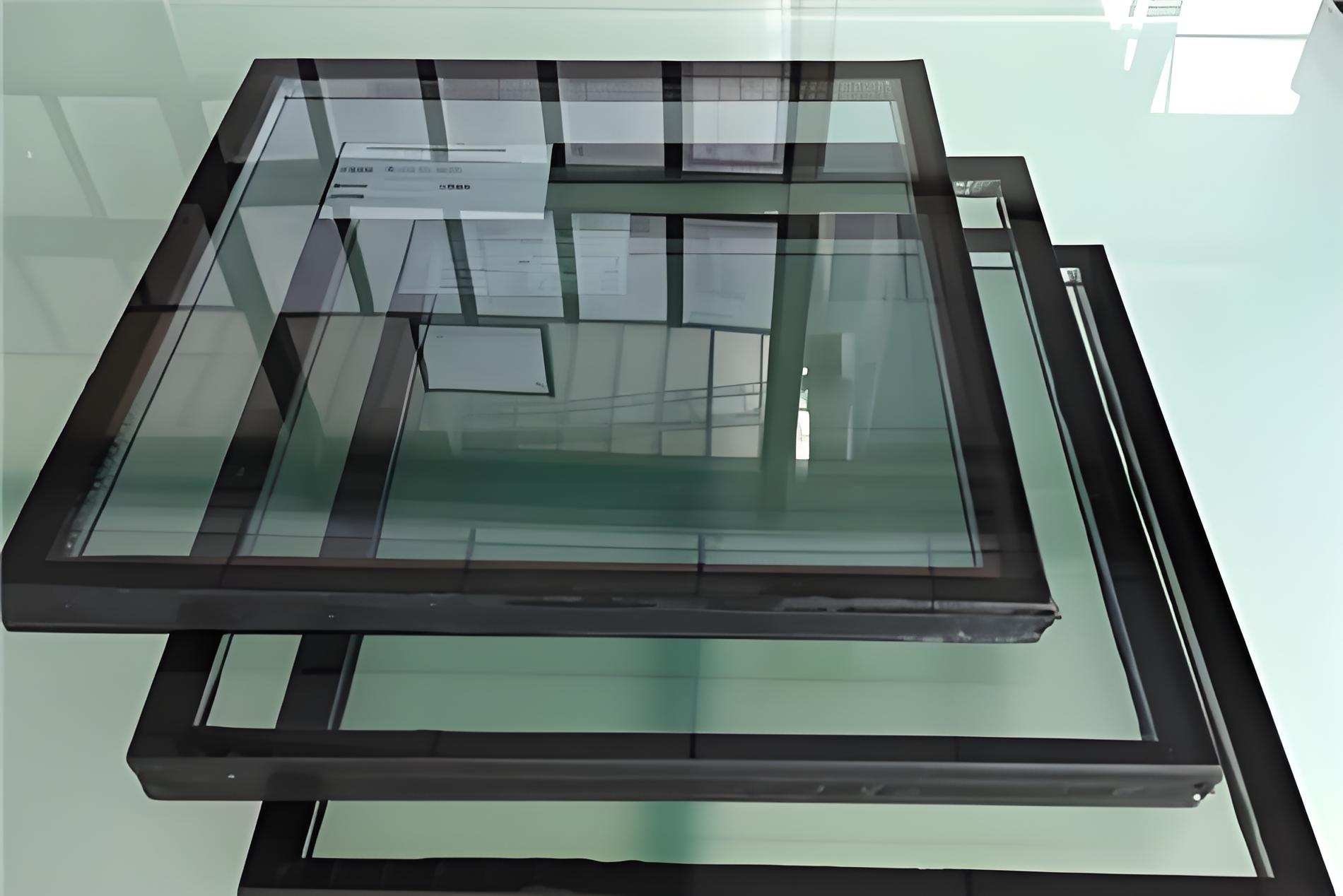
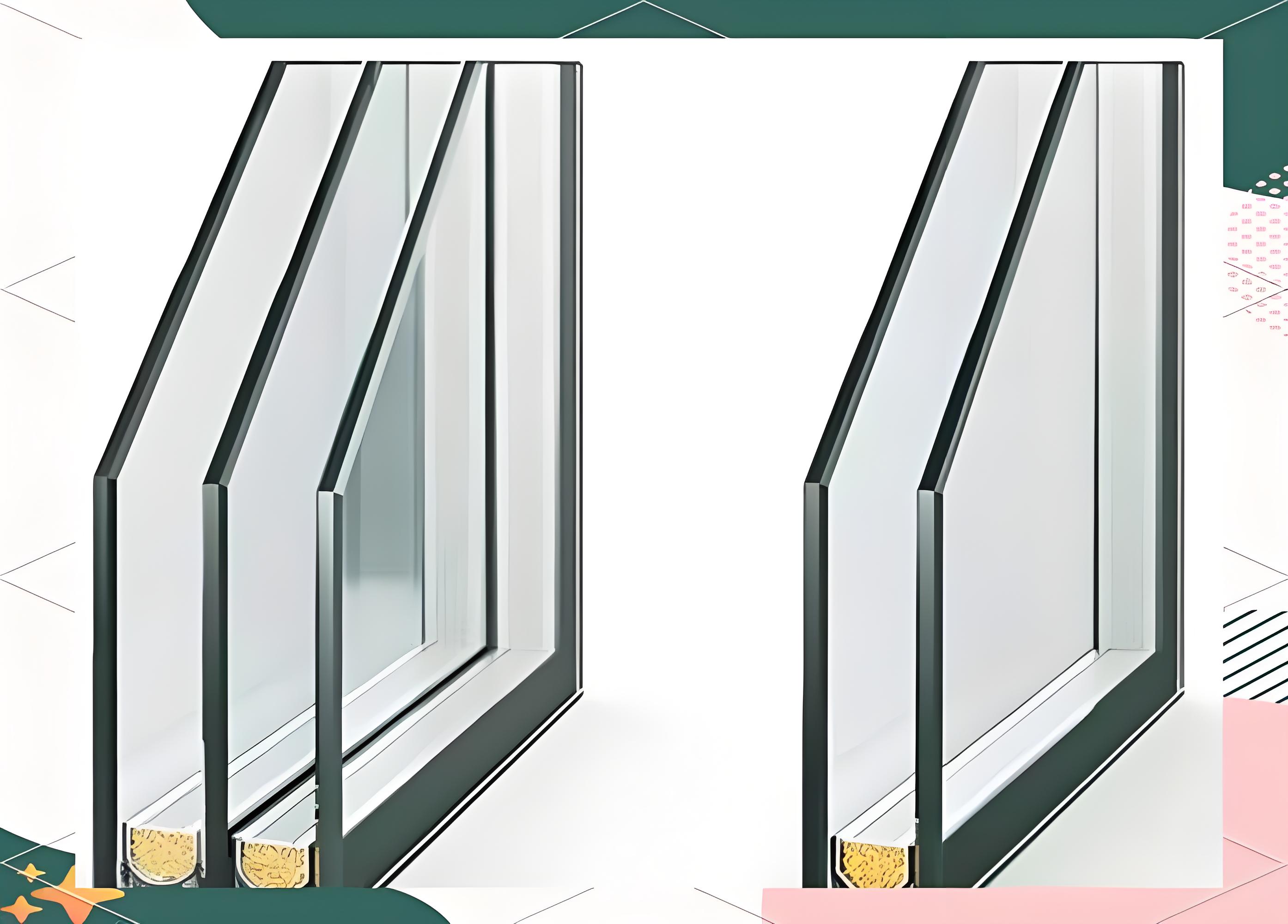
Double glazed glass (also called double glazing, insulated glass, or IGU) is a factory‑sealed assembly of two glass panes separated by a spacer bar and hermetically sealed to create a single unit with an air‑ or gas‑filled cavity. It is the global standard for energy‑efficient windows, curtain walls, and building facades — reducing heat loss, controlling solar heat gain, minimizing condensation, and improving acoustic comfort.
Whether you are specifying windows for a residential tower, a curtain wall for a commercial high‑rise, or a blast‑resistant facade for a government building, understanding the full range of double glazing configurations is essential to making the right procurement decision.
This guide covers everything a purchasing manager needs to know — from basic terminology to advanced performance data — and explains how to choose the optimal IGU for your project.
What Is Double Glazed Glass?
A double glazed unit (DGU) consists of:
- Two glass panes (each typically 4–12mm thick)
- A spacer bar (aluminum, warm‑edge, or stainless steel) that separates the panes
- Desiccant inside the spacer to absorb residual moisture
- Primary seal (polyisobutylene / PIB) to prevent gas leakage
- Secondary seal (polysulfide, silicone, or hot‑melt) for structural integrity
- Gas fill in the cavity (air, argon, or krypton)
- The total thickness of a DGU ranges from 20mm (4+12A+4) to 36mm (10+16A+10), depending on the glass thickness and cavity width.
Why Double Glazing? – The Core Benefits
| Benefit | Description | Impact on Building |
|---|
| Thermal Insulation | Reduces heat transfer through windows | Lower heating/cooling costs; improved occupant comfort |
| Solar Control | Low‑E coatings and tinted/reflective glass reduce solar heat gain | Reduced air‑conditioning load; glare reduction |
| Acoustic Insulation | Sealed cavity and laminated glass dampen sound transmission | Quieter interiors, especially near roads/airports |
| Condensation Resistance | Inner pane stays warmer, reducing interior condensation | Healthier indoor environment; no mold growth |
| UV Protection | Glass and coatings block >90% of UV radiation | Protects furnishings, artwork, and merchandise from fading |
| Safety & Security | Tempered or laminated panes resist impact and forced entry | Enhanced occupant safety; blast resistance |
| Energy Code Compliance | Meets ASHRAE 90.1, Title 24, EPBD, Green Mark | Facilitates building permit approval
|
Common Double Glazing Configurations
The industry identifies DGUs by their glass thickness + gap width + glass thickness. For example, 5+12A+5 means 5mm glass + 12mm air gap + 5mm glass.
| Configuration | Total Thickness | Typical Application |
|---|
| 4+12A+4 | 20mm | Light residential windows (budget) |
| 5+12A+5 | 22mm | Most common residential & light commercial |
| 6+12A+6 | 24mm | Commercial curtain walls, mid‑rise buildings |
| 6+16A+6 | 28mm | High‑performance curtain walls, energy‑code strict |
| 8+12A+8 | 28mm | High‑rise curtain walls, structural glazing |
| 8+16A+8 | 32mm | Hurricane zones, acoustic upgrades |
| 10+12A+10 | 32mm | Mega‑structures, blast‑resistant facades |
| 10+16A+10 | 36mm | Super‑tall towers, Passive House extreme
Each configuration can be customized with different glass types, coatings, spacer types, and gas fills. |
Glass Types Used in Double Glazing
| Glass Type | Key Feature | Best For |
|---|
| Clear Float | Highest light transmission (~82%) | Budget projects, standard residential |
| Low‑E (Single/Double/Triple Silver) | Reflects infrared heat while transmitting visible light | Energy efficiency, LEED projects |
| Tempered (Toughened) | 4–5× stronger than annealed glass; breaks into small cubes | Safety glazing, doors, curtain walls |
| Laminated (PVB or SGP) | Two glass layers bonded with plastic interlayer | Acoustic insulation, security, blast resistance |
| Tinted (Body‑Tinted) | Absorbs solar heat; comes in grey, bronze, green, blue | Solar control, aesthetics |
| Reflective (Online Hard‑Coat) | Mirrored appearance; reflects solar radiation | Privacy, solar control, modern facades |
| Low‑Iron | Ultra‑clear, no greenish tint | Display windows, museums, aquariums
|
Spacer Types – Thermal Performance at the Edge
| Spacer Type | Material | U‑Value Impact | Condensation Risk | Cost |
|---|
| Aluminum | Extruded aluminum | Baseline (thermal bridge) | Moderate | Lowest |
| Warm Edge (TPE) | Thermoplastic elastomer | Improves U‑value by ~0.15 | Low | +10–15% |
| Swisspacer | Reinforced polymer | Improves U‑value by ~0.20 | Very low | +20–30% |
| Stainless Steel | Box‑section stainless | Moderate improvement | Low | +15–20%
For energy‑code projects, warm edge spacers are now the industry standard. |
Gas Fill Options
| Gas Fill | Thermal Improvement vs. Air | Cost Impact | Best For |
|---|
| Air | Baseline | None | Mild climates, budget |
| Argon | ~15% better U‑value | Low (+$1–2/m²) | Best ROI – most common upgrade |
| Krypton | ~25% better U‑value | Moderate (+$5–8/m²) | Thin gaps, high performance |
| Xenon | ~30% better U‑value | High (+$15–25/m²) | Specialty applications |
Low‑E Coatings – The Heart of Energy Efficiency
Low‑E (low emissivity) coatings are microscopically thin metal oxide layers applied to glass surfaces. They reflect long‑wave infrared heat back into the building while allowing short‑wave visible light to pass through.
| Coating Type | Number of Metal Layers | Typical U‑Value (with Argon) | Best For |
|---|
| Single Silver | 1 | ~1.8 W/m²K | Budget energy efficiency |
| Double Silver | 2 | ~1.5 W/m²K | Most popular – commercial standard |
| Triple Silver | 3 | ~1.2 W/m²K | Passive House, net‑zero buildings
Coating placement matters: |
- #2 surface (outer pane, interior face) – retains interior heat (cold climates)
- #3 surface (inner pane, exterior face) – blocks solar heat gain (hot climates)
- Dual Low‑E – maximum performance (extreme climates)
Performance Comparison – Typical Values (6mm + 12A + 6mm)
| Configuration | U‑Value (W/m²K) | SHGC | VLT | Rw (dB) |
|---|
| Clear / Air | ~2.6 | ~0.76 | ~80% | ~31 |
| Single Silver Low‑E / Argon | ~1.8 | ~0.66 | ~73% | ~31 |
| Double Silver Low‑E / Argon | ~1.5 | ~0.64 | ~70% | ~31 |
| Triple Silver Low‑E / Krypton | ~1.2 | ~0.58 | ~68% | ~31 |
| Laminated (PVB) / Clear / Air | ~2.6 | ~0.74 | ~78% | ~37
Actual values vary with glass thickness, spacer type, and manufacturer. |
How to Choose the Right Double Glazing Configuration
Follow this decision tree based on your project priorities:
1. Determine Building Type & Height
- Residential (≤6 stories): Start with 5+12A+5
- Commercial / Mid‑rise (6–15 stories): Start with 6+12A+6
- High‑rise (15–60 stories): Start with 6+16A+6 or 8+12A+8
- Super‑tall (>60 stories) / Blast‑resistant: Start with 10+12A+10 or 10+16A+10
2. Define Energy Code Requirements
- Basic code (ASHRAE 90.1): Double Silver Low‑E + Argon + Warm Edge spacer
- LEED / BREEAM: Triple Silver Low‑E + Argon + Swisspacer
- Passive House: Triple Silver Low‑E + Krypton + Swisspacer + 16mm gap
3. Assess Acoustic Needs
- Normal urban background: Standard clear or Low‑E (Rw ~31 dB)
- Near highway / airport: Upgrade one pane to laminated (Rw ~37 dB)
- Extreme noise (railway, flight path): Both panes laminated + 16mm gap (Rw ~44 dB)
4. Evaluate Safety & Security Requirements
- Standard safety: Tempered inner pane
- Impact / hurricane: Tempered both panes + laminated outer (if required)
- Blast / forced entry: SGP laminated both panes + structural silicone seal
5. Consider Aesthetic & Solar Control
- Neutral appearance: Low‑E (clear appearance)
- Privacy / solar control: Reflective or tinted glass
- Max daylight: Low‑Iron or high‑VLT Low‑E
Applications Overview
| Application | Recommended Configuration | Key Considerations |
|---|
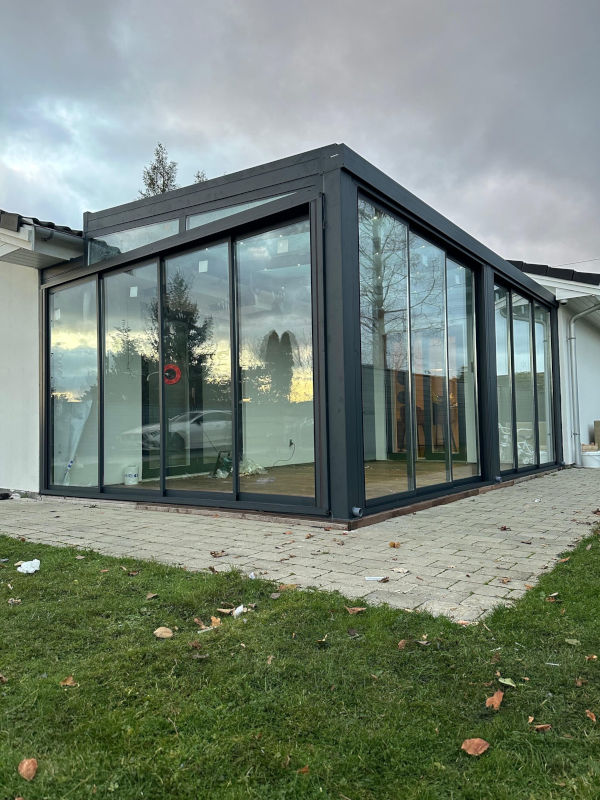
| Residential Windows | 5+12A+5 Low‑E / Argon | Cost‑effective, good thermal performance |
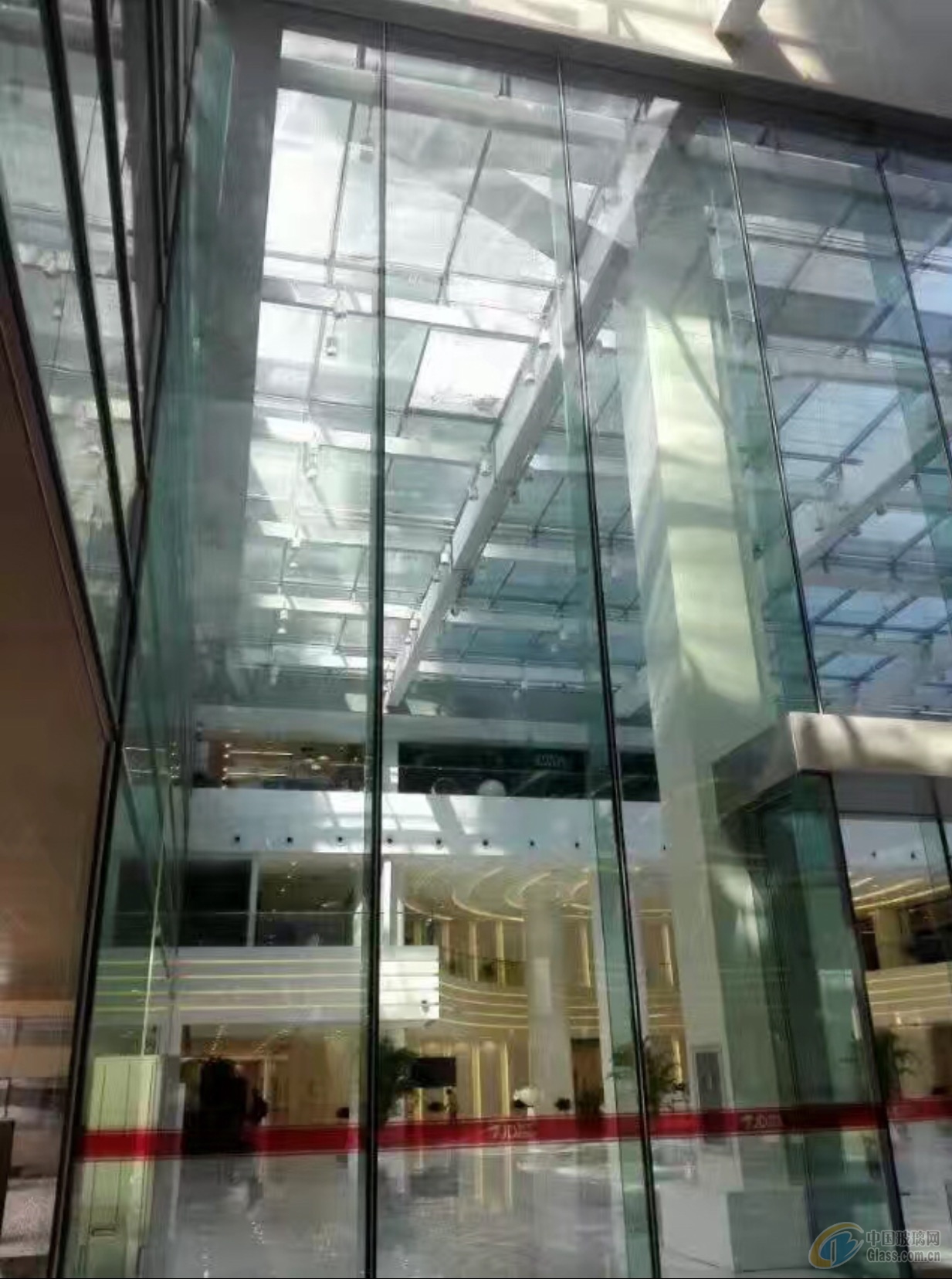
| Curtain Walls – Commercial | 6+12A+6 Double Silver / Argon | Balance of performance and cost |
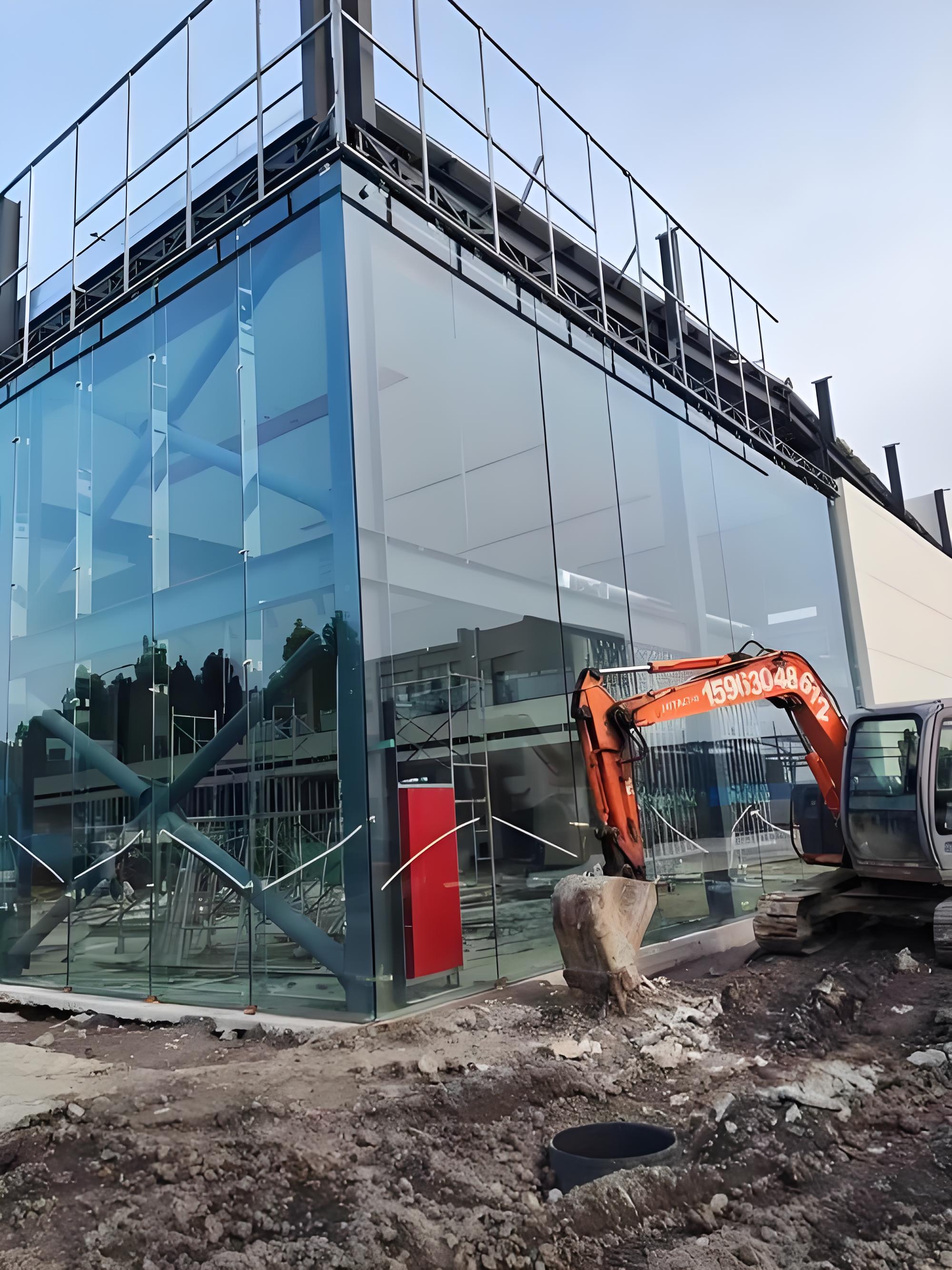
| Curtain Walls – High‑Rise | 8+12A+8 Double Silver / Argon | Structural strength, wind load |
| Hurricane / Typhoon Zones | 8+16A+8 Tempered / Tempered | Impact resistance, cyclic pressure |
| Blast‑Resistant Facades | 10+12A+10 SGP / SGP | GSA Level C/D, CPNI |
| Hot Climates (Middle East) | 6+12A+6 Reflective / Low‑E | Solar control + thermal insulation |
| Cold Climates (Nordic) | 6+16A+6 Triple Silver / Krypton | Passive House, low U‑value |
| Acoustic Sensitive (Hotels) | 6+12A+6 Laminated / Clear | Rw > 35 dB |
Pricing Guidance (FOB USD/m²)
Prices vary significantly by configuration, glass type, and processing. Below are indicative ranges for common double glazed units:
| Configuration | Glass Combination | Gas Fill | FOB Range (USD/m²) |
|---|
| 5+12A+5 | Clear / Clear | Air | $18–28 |
| 5+12A+5 | Low‑E / Clear | Argon | $24–36 |
| 6+12A+6 | Clear / Clear | Air | $20–30 |
| 6+12A+6 | Low‑E (DS) / Clear | Argon | $26–38 |
| 6+16A+6 | Low‑E (TS) / Clear | Krypton | $34–48 |
| 8+12A+8 | Tempered / Tempered | Air | $34–48 |
| 8+16A+8 | Laminated / Laminated (PVB) | Argon | $44–60 |
| 10+12A+10 | SGP Laminated / SGP Laminated | Argon | $78–102 |
💡 For a precise project quotation, send us your glass schedule with dimensions and specifications.
Certifications & Standards
| Standard | Region | Scope |
|---|
| EN 1279 | Europe | Product standard for IGU |
| CE Marking | Europe | Mandatory for EU |
| ISO 9001 | International | Quality management |
| CCC | China | Mandatory for Chinese market |
| SGS | Global | Third‑party inspection |
| IGCC | USA/Canada | IGU certification |
| ASTM E2190 | USA | IGU performance |
| ASTM E1886/E1996 | USA | Hurricane impact |
| ASTM F1642 | USA | Blast resistance |
| GSA Security Criteria | USA | Blast levels A–D |
Why Choose Jumbo Glass Group for Your Double Glazed Glass?
- 25 years of insulated glass manufacturing experience
- Full range – from 4+12A+4 to 10+16A+10
- Jumbo capability – up to 3300 × 12000 mm
- In‑house tempering, laminating & Low‑E coating – complete vertical integration
- All spacer types – aluminum, warm edge, Swisspacer, stainless steel
- All gas fills – air, argon, krypton
- Blast & hurricane rated – GSA, Miami‑Dade NOA, CPNI
- Daily capacity – 15,000 m²
- Global shipping – 100+ countries, 5000+ projects
- Competitive FOB pricing – direct from manufacturer
Frequently Asked Questions
Q1: What is the difference between double glazing and triple glazing?
Double glazing has two panes; triple glazing has three. Triple glazing achieves lower U‑values (down to 0.7 W/m²K) but is heavier and more expensive. Double glazing is sufficient for most climates and building codes.
Q2: What does “5+12A+5” mean?
5mm glass + 12mm air gap + 5mm glass. Total thickness = 22mm.
Q3: How long does a double glazed unit last?
Properly manufactured IGUs last 20–30 years. Seal failure is the main cause of replacement.
Q4: Can double glazing be repaired?
No. Once the seal fails, the entire unit must be replaced.
Q5: What is the best configuration for energy efficiency?
For most projects: 6+16A+6 with Double Silver Low‑E on #2 surface, argon fill, and warm edge spacer. This achieves U‑value ~1.4 W/m²K.
Q6: Do you provide samples?
Yes. Free samples (300×300mm) available; customer covers courier.
Q7: What is the lead time?
2–4 weeks for standard configurations; 4–6 weeks for blast/hurricane rated.
Get a Quote for Double Glazed Glass
Tell us your project requirements and we'll respond within 48 hours with a competitive FOB quotation.
Please provide:
- Configuration (e.g., 6+12A+6)
- Outer & inner glass types
- Spacer type
- Gas fill
- Dimensions (width × height × quantity)
- Target performance (U‑value, Rw, etc.)
- Certifications required
- Delivery timeline
- 📧 Email your specification to: tomron1688@gmail.com
- 🌐 Or visit: www.jumbotemperedglass.com
Related Products
•5+9A+5 / 5+12A+5 Insulated Glass – 20mm & 22mm IGU for residential & light commercial
•6+12A+6/6+16A+6 Insulated Glass–24mm/28mm IGU for heavier duty applications
•8+12A+8/8+16A+8 Insulated Glass – 28mm/32mm heavy‑duty IGU
•10+12A+10/10+16A+10 Insulated Glass – 32mm/36mm high‑performance IGU
•Double Glazed Glass – Standard IGU overview
•Triple Glazed Glass – Three‑pane IGU for Passive House
•Low‑E Insulated Glass – Energy‑efficient IGU with Low‑E coating
•Laminated IGU/safety insulated glass – Acoustic & security insulated glass
•Jumbo Insulated Glass – Up to 3300×12000mm oversized IGU