




Low-E vs Vacuum vs Insulated Glass: Which Glazing Delivers the Lowest U-Value?
Low-E vs Vacuum vs Insulated Glass: Which Glazing Delivers the Lowest U-Value?
When specifying a high-performance façade or window system, the question is rarely "which glass is best" — it is:
Which glazing system hits the U-value target, fits the frame, survives the climate, and protects project margin?
This guide gives a procurement-grade U-value comparison of three core options — low-e insulated glass, standard insulated glass, and vacuum insulating glass (VIG) — so you can specify with confidence instead of guessing by thickness.
1. The three glazing technologies, simply
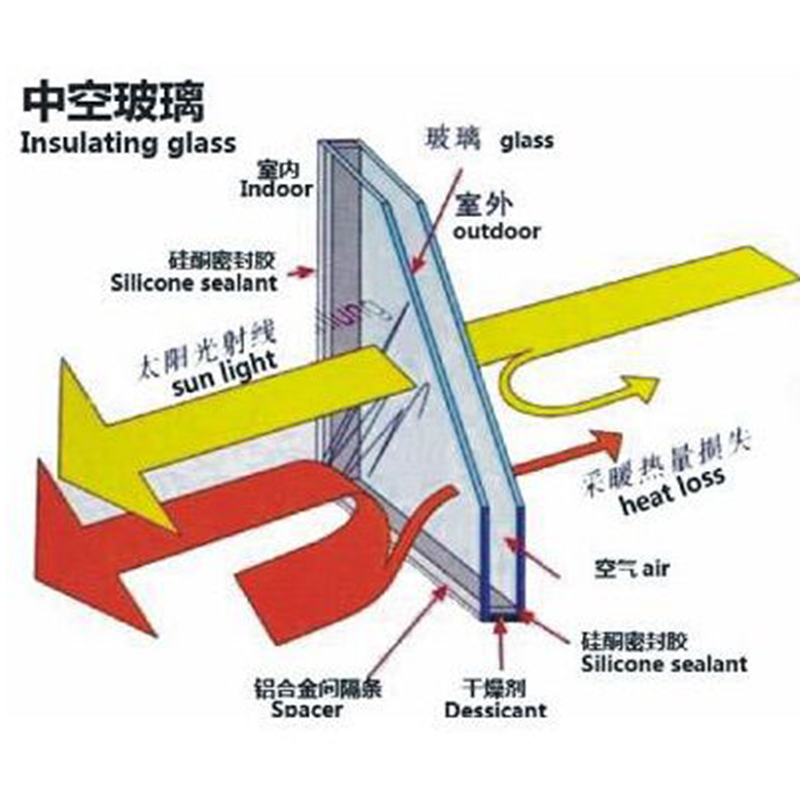
Insulated Glass Unit (IGU)
Two or more glass lites sealed around a dry air or inert-gas cavity (argon/krypton). The cavity slows conduction and convection.
- Typical build:
6 + 12Ar + 6 - U-value (center-of-glass): ~1.0–1.8 W/m²K depending on coating and cavity
- Pros: cost-effective, flexible sizes, mature supply chain
- Cons: thermal ceiling limited by gas convection
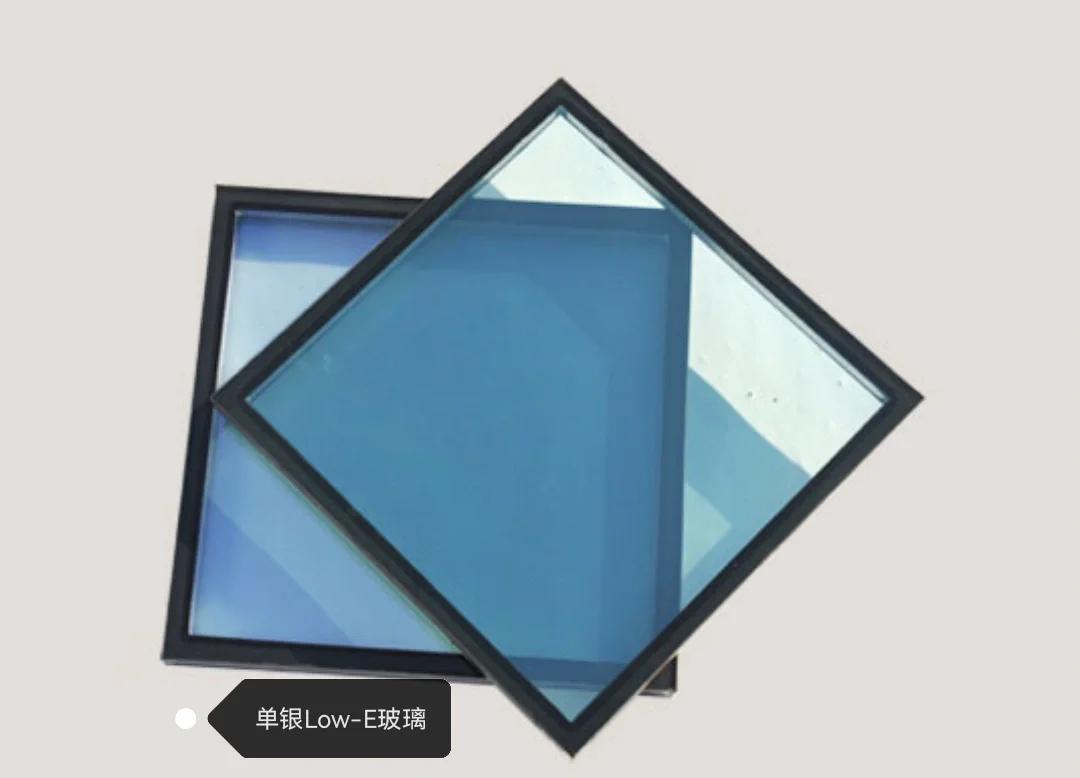
Low-E Insulated Glass
An IGU with a microscopic low-emissivity coating that reflects long-wave infrared radiation back through the glass surface.
- Typical build:
6 Low-E + 12Ar + 6 - U-value (center-of-glass): ~1.0–1.2 W/m²K (double), 0.5–0.7 W/m²K (triple)
- Pros: high VLT options, solar control, code-compliant, retrofit-friendly
- Cons: still relies on gas cavity for part of performance
- At Jumbo Glass Group, low-e insulated glass is supplied with double/triple silver coatings, argon fill, warm-edge spacers, and jumbo IGU sizes up to 13000×3000 mm — U-values from 0.6 W/m²K.
Vacuum Insulating Glass (VIG)
Two tempered lites with a 0.1–0.3 mm evacuated gap. No air = almost no conduction or convection. A Low-E coating handles the remaining radiation path.
- Typical build:
5 + 0.3V + 5with Low-E - U-value (center-of-glass): ~0.4–0.7 W/m²K
- Thickness: ~6–10 mm (vs 24–44 mm for IGUs)
- Pros: thin, light, extreme thermal performance, heritage/retrofit-ready
- Cons: higher unit cost, edge-seal sensitivity, limited jumbo sizes
2. U-Value Comparison Table (center-of-glass)
| Glazing type | Typical build-up | U-value (W/m²K) | Thickness | Weight (kg/m²) |
|---|---|---|---|---|
| Clear single glass | 6 mm monolithic | 5.7–6.2 | 6 mm | ~15 |
| Standard IGU | 6 + 12A + 6 | 2.6–2.8 | ~24 mm | ~20 |
| Low-E insulated glass (double) | 6 LE + 12Ar + 6 | 1.0–1.2 | 24–28 mm | ~25 |
| Low-E insulated glass (triple) | 5LE + 16Ar + 5LE + 16Ar + 5 | 0.5–0.7 | 36–44 mm | 35–40 |
| Vacuum glass vs insulated glass (VIG) | 5 + 0.3V + 5 Low-E | 0.4–0.7 | 6–10 mm | ~16–20 |
Lower U-value = better insulation. Always compare center-of-glass against center-of-glass, and ask for whole-window Uw (frame + spacer included) before sign-off.
3. Which delivers the lowest U-value?
Strict ranking by center-of-glass number:
- Vacuum glass (VIG) — lowest absolute U-value in the thinnest profile
- Triple low-E IGU — close second, thicker and heavier
- Double low-E IGU — best balance of cost and performance
- Standard IGU (no Low-E) — baseline, not for high-performance specs
- Single glass — not a thermal solution
- But "lowest U-value" is not always the right answer.
4. Decision framework for buyers
Choose low-e insulated glass when…
- New-build curtain wall or window program
- Budget-sensitive but code-driven (LEED / BREEAM / Part L / IECC)
- Frame depth allows 24–44 mm glazing pocket
- You want solar control (SHGC tuning) + good U-value
- → Standard default for most commercial façades.
Choose vacuum glass when…
- Retrofit / heritage: existing frames can't take 40 mm triple glazing
- Slim-profile design: narrow mullions, large operable sashes
- Ultra-low U-value required but thickness/weight are constrained
- Cold-storage, refrigeration, condensation-critical zones
- → Best thermal performance per millimeter.
Choose triple low-e IGU when…
- Cold-climate new build, structural system sized for weight
- Passive House targeting whole-window Uw < 0.8
- Acoustic performance also matters (thicker mass helps)
Hybrid (VIG + IGU)
A VIG lite laminated into a conventional IGU can reach U ≈ 0.25–0.3 W/m²K — passive-house grade in a standard frame pocket. Highest performance, highest cost.
5. Don't forget SHGC, VLT and acoustics
U-value is only one axis. A procurement-ready spec also sets:
- SHGC (solar heat gain): cooling climates want 0.20–0.30; heating climates 0.35–0.45
- VLT (visible light): 60–75% for neutral façades
- Rw / STC (acoustics): VIG helps, but laminated builds win for noise
- Edge seal & spacer: warm-edge spacers improve real-world Uw by 0.05–0.1
- Coating position: #2 surface for cooling climates, #3 for heating climates
6. Jumbo Glass Group capability snapshot
- Low-E insulated glass: double/triple silver, argon, warm-edge, U 0.6–1.8 W/m²K, jumbo IGU up to 13000×3000 mm
- Vacuum glass: VIG + hybrid assemblies, U down to ~0.4 W/m²K, tempered safety build
- Laminated + Low-E: acoustic/safety combinations for railings, canopies, partitions
- Standards: EN 12150, EN 1279, ASTM C1048, NFRC-ready reporting, free BIM/thermal simulation
7. Bottom line for specifiers
- Lowest U-value → vacuum glass
- Best all-round commercial choice → low-e insulated glass (double or triple)
- Best retrofit/slim-profile → VIG
- Best passive-house new build → triple low-E or VIG-IGU hybrid
- The right answer is never "thinnest" or "cheapest" — it is the system that meets Uw target + frame constraint + climate + lifecycle cost.
FAQ snippet (for JSON-LD later)
Q: Which glazing has the lowest U-value?
A: Vacuum insulating glass (VIG) typically reaches 0.4–0.7 W/m²K center-of-glass — lower than double or triple low-e IGUs of the same performance class, and in a much thinner profile.
Q: Is low-e insulated glass good enough for most buildings?
A: Yes. Double low-e IGUs (U ~1.0–1.2) meet most commercial code targets; triple low-e IGUs (U ~0.5–0.7) suit cold climates and passive-house projects where frame depth allows.
Q: When should I specify vacuum glass instead of an IGU?
A: When frame depth, weight, or retrofit compatibility matter more than upfront cost — VIG delivers triple-glazing performance at 6–10 mm thickness.
Internal links (CMS-ready)
- Jumbo Insulating Glass:
/products/jumbo-insulating-glass - Low-E Glass:
/products/low-e-glass-low-emissivity-glass - Jumbo Low-E IGU:
/products/jumbo-low-e-igu - Vacuum Glass:
/products/vacuum-glass - Curtain Wall Glazing:
/products/curtain-wall-glass-glazing-solutions-large-format-low-emissivity-igu-systems-for-commercial-facades-high-rise-towers-unitized-curtain-walls - Related: Triple Silver Low-E Coated Glass Introduction
Tags:
Related Posts